 Classic Folios


Centralisation, AI and Fraud: What Multifamily Housing Can Learn About the Future of Resident Experience
The multifamily housing sector is undergoing a significant transformation. As operators seek greater efficiency, cost savings and scalability, centralisation and artificial intelligence are becoming increasingly embedded within day-to-day operations. Yet recent industry research suggests that while organisations are embracing these changes, there are concerns. How can housing providers improve operational performance without compromising the resident experience?
The findings reveal an industry that is simultaneously optimistic and cautious. Although eager to adopt new technologies, they are also mindful of maintaining the human connections that residents value most.
In this blog, we’ll explore the research and the worries to understand what the future could hold for the relationship between housing and AI.
Centralisation Is Here to Stay
Centralisation has moved from a future aspiration to an operational reality for many housing providers. In fact, research carried out by property management software provider MRI found that not only had the uptake of centralisation been steady across the sector, it also found ‘87% of respondents planning to increase their centralization practices in the next 12 months.’ Organisations in all regions are consolidating processes, teams and workflows to drive greater efficiency and consistency.
MRI found that the primary motivations behind centralisation fall into three categories. 38% of the 700+ respondents want to improve efficiency, 32% are striving for better resident experiences and 27% are looking for cost savings.
What is particularly interesting is that resident experience ranks as the second most important driver of centralisation. This suggests that housing providers are not simply looking to cut costs. They are seeking ways to free up onsite teams from administrative burdens so they can focus on delivering a better service.
However, there is an apparent contradiction within the research.
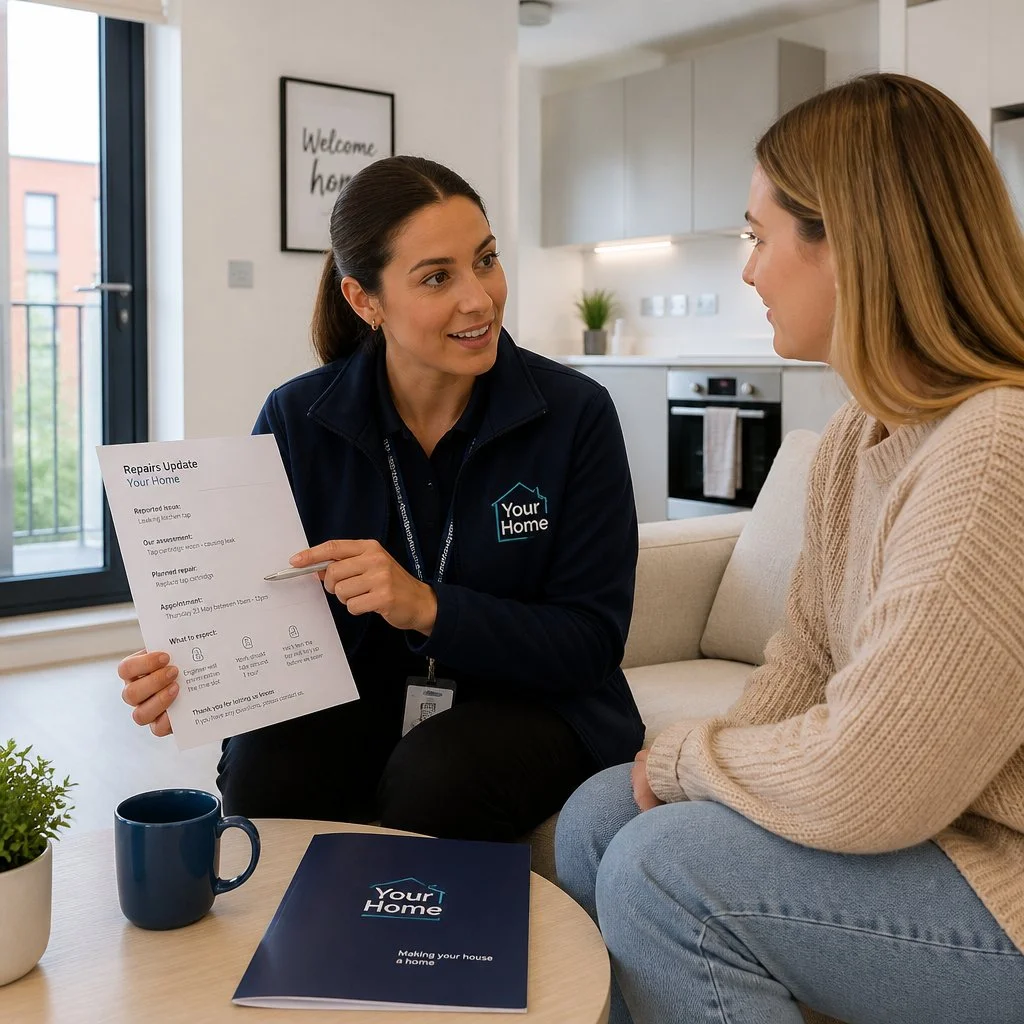
While resident experience is a major motivation for centralisation, 85% of respondents also expressed concerns that centralisation could lead to a loss of personal touch. A further 80% were concerned about staff resistance to these changes.
This highlights a challenge facing the sector today. Residents still value personal interactions, responsive communication and the reassurance that their concerns are being handled by people who genuinely care. Technology and centralised operations can create efficiencies, but they must enhance rather than replace the human experience.
At Spaciable, we regularly see that the most successful housing providers use technology to remove repetitive administrative tasks, allowing teams to spend more meaningful time engaging with residents. Digital tools should create more opportunities for personal service, not fewer.
Encouragingly, only a small percentage of respondents cited technology limitations or increased complexity as concerns. This reflects growing confidence that modern PropTech solutions can successfully support centralised operating models.
Fraud Continues to Evolve
Alongside operational transformation, housing providers are facing another growing challenge. The Multifamily Revenue Operations Report by global payments company Zego, which surveys over 600 multifamily operators, revealed that ‘77% of multifamily property operators reported experiencing some form of fraud at their properties in the past 12 months.’ Organisations of all sizes are encountering fraudulent activity regularly, with many reporting incidents every few months.
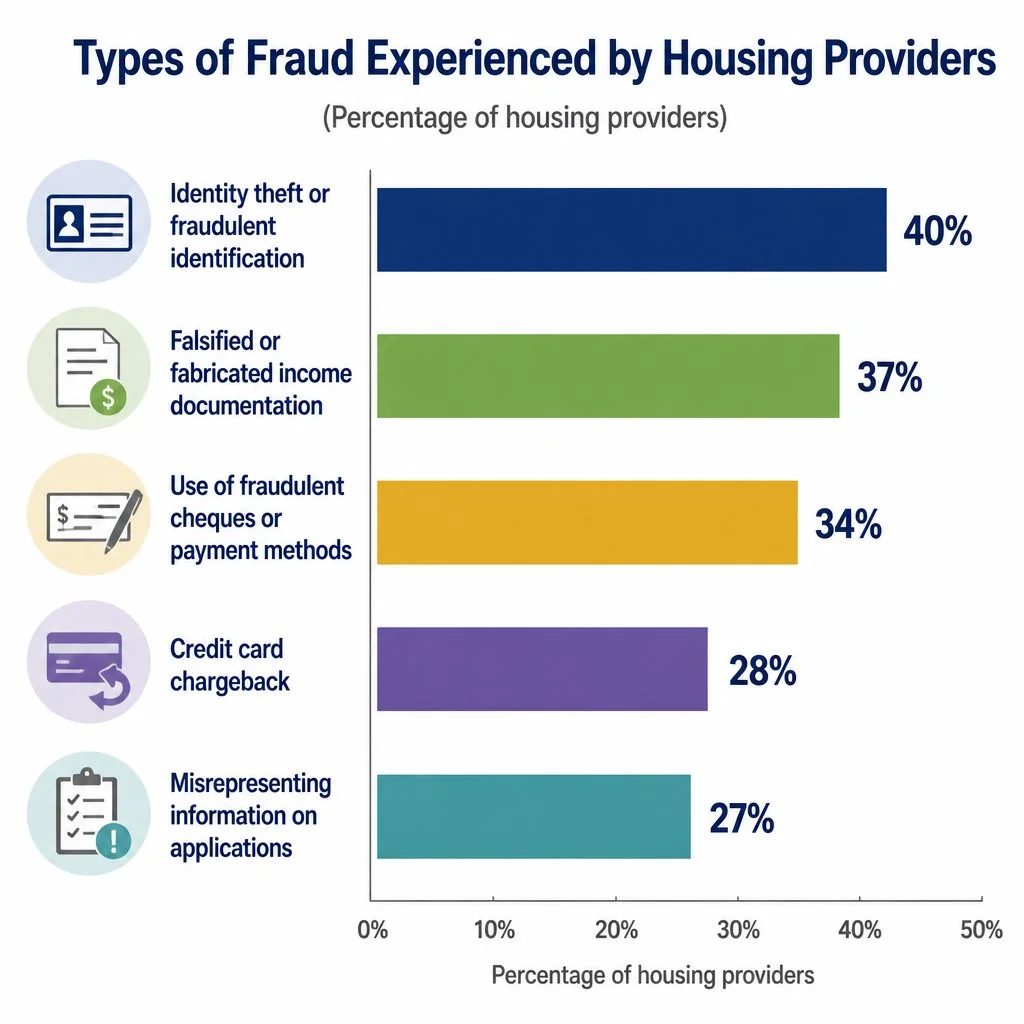
The most common forms of fraud encountered by operators over the past 12 months were:
Identity theft or fraudulent identification (40%)
Falsified or fabricated income documentation (37%)
Use of fraudulent cheques or payment methods (34%)
Credit card chargeback (28%)
Misrepresenting information on applications (27%)
As generative AI tools become more accessible, fraudsters are also finding new ways to create convincing documents and fraudulent materials. The Zego report revealed that ‘9 out of 10 survey respondents express some concern about check fraud happening in their communities, and nearly a quarter say they are extremely concerned.’
The result is increasingly complex, and traditional fraud detection methods may no longer be sufficient.
Yet confidence levels vary significantly between operational and executive teams. While over half of property managers expressed confidence in their fraud prevention measures, nearly half of executives reported a lack of confidence in their organisation's ability to effectively combat fraud.
This gap highlights the need for stronger visibility, improved processes and technology-enabled verification systems that can help organisations stay ahead of evolving threats.
AI Adoption Is Accelerating
Perhaps the most striking finding from the research is just how widely artificial intelligence has already been adopted by the sector. The housing industry is notorious for being slow to adopt technology, but the MRI survey found that 93% of multifamily operators are already using AI tools, and ‘86% said their organisations had offered some sort of training to improve proficiency with AI tools.’
Despite widespread implementation, many organisations remain uncertain about whether teams have received sufficient training to maximise the value of AI tools. Awareness is high, but confidence in AI proficiency remains relatively low.
Currently, the adoption of AI by multifamily operators falls into four clear categories. These are AI leasing agents, predictive maintenance, applicant screening and resident communication. This indicates that AI is largely being viewed as a driver of operational efficiency, revenue growth and cost reduction.
Interestingly, trust in AI outputs ranked surprisingly low among executive concerns. Only 3% of executives identified trust as a major barrier, compared with 22% of property managers.
This difference reflects two distinct perspectives. One is that executives are focused on return on investment and the other is that operational teams are focused on reliability, accuracy and day-to-day usability. For successful AI adoption by the multifamily sector, both priorities must be addressed.
The Opportunity: Balancing Efficiency with Experience
A revealing discovery from MRI’s research was that ‘65% of companies could make more data-backed decisions by ditching manual workflows.’
This reinforces a broader industry trend that housing providers recognise: disconnected systems, spreadsheets and manual processes limit their ability to make informed decisions and deliver consistent resident experiences.
The challenge moving forward is not simply adopting more technology, but ensuring that technology supports key objectives:
1. Operational Efficiency
Automation and centralisation should reduce administrative burdens and streamline workflows.
2. Resident Experience
Digital tools must make it easier for residents to access information, communicate with teams and feel supported throughout their housing journey.
3. Trust and Transparency
Whether addressing fraud prevention, AI adoption or resident communication, organisations must maintain confidence in the systems they deploy.
Looking Ahead
The multifamily industry is entering a new era, and it’s one where centralisation is becoming standard practice. AI adoption is accelerating. Fraud threats are becoming more sophisticated. Yet throughout these changes, one constant remains. Residents expect exceptional service and meaningful engagement from their housing providers.

The organisations that thrive in the years ahead will be those that successfully combine operational excellence with a resident-first approach.
Technology alone will not create stronger communities. However, when used strategically, it can empower teams, improve decision-making and create the time and capacity needed to deliver more personalised, responsive experiences.
At Spaciable, we understand that the future of housing lies in connecting people, processes and technology in a way that strengthens resident relationships rather than replacing them. By centralising information, streamlining communication and providing residents with easy access to the support they need, housing providers can achieve the efficiency gains they seek while continuing to deliver the human experience that residents value most.
Frequently Asked Questions
What is centralisation in property management?
Centralisation is the process of consolidating tasks, services and operational functions across multiple properties to improve efficiency, consistency and performance.
Why are housing providers adopting AI?
Housing providers are increasingly using AI to automate routine tasks, improve resident communications, support predictive maintenance and streamline leasing processes.
Will AI replace human interaction in housing?
While AI can automate administrative tasks, residents still value personal service and human connection. The most effective housing providers use AI to support staff rather than replace them.
How is AI changing the resident experience?
AI can help deliver faster responses, more personalised communications and quicker issue resolution, improving convenience for residents while freeing up staff time.
Why is fraud becoming a bigger challenge for housing providers?
The rise of digital applications and AI-generated documents has made some forms of fraud more sophisticated, increasing the need for stronger verification and screening processes.
What are the benefits of centralisation for residents?
When implemented effectively, centralisation can lead to faster service delivery, more consistent communication and improved access to information and support.
What are the biggest concerns about centralisation?
Many housing professionals worry that centralisation could reduce the personal touch that residents value, making it important to balance efficiency with meaningful resident engagement.
How can housing providers balance technology and resident experience?
By using technology to automate repetitive processes while ensuring staff have more time to focus on resident relationships, communication and community-building.