

Digital Customer Experience in Housebuilding: What Homebuyers Now Expect

The homebuilding industry is undergoing a major shift, but it’s not a change to the way houses are being built, it’s an evolution in the customer experience being delivered to the homebuyers. Where a buyer would once have compared their homebuying journey with that offered by other property developers, today they compare it with the seamless experiences delivered by brands like Amazon, Ocado and Airbnb. From personalised communication to real-time updates and virtual walkthroughs, digital customer experience (CX) is becoming a decisive competitive advantage for modern homebuilders.
In the UK, the homebuilding industry is suffering. Slow sales and revenue, and a lacklustre planning system are taking their toll.
It would be understandable for property developers to view this as a time when CX is not the best use of their time and resources. However, when finances are struggling and customers few and far between, investment into CX can have the biggest payoff. Research carried out by global management consultant McKinsey & Company discovered that ‘In the last economic recession, companies that prioritised customer experience realised three times the shareholder returns compared to the companies that did not.’
This will explain why homebuilders investing in digital engagement are reporting significant benefits for their organisations, such as stronger trust, improved conversion rates and higher customer satisfaction. In this blog, we’ll take a broad look at digitising the homebuying journey and a closer view of the particular areas that benefit most from a digital transformation.
The Rise of the Digitally Empowered Homebuyer
Today’s homebuyers are more informed and digitally fluent than any previous generation. As McKinsey & Company notes, ‘Customers now have endless online and off-line options for researching and buying new products and services, all at their fingertips 24/7.’ And this abundance of information, options and reviews to read doesn’t stop at their online purchases, it includes their research before buying a new home. According to AI powered ERP software solutions provider, ECI Solutions, ‘Homebuyers today are more informed, tech-savvy, and demanding than ever before.’ ECI also explains that ‘Today’s homebuyer seeks a seamless, personalised journey – one that includes a deeply engaging, transparent, and supportive process that extends well beyond closing day.’
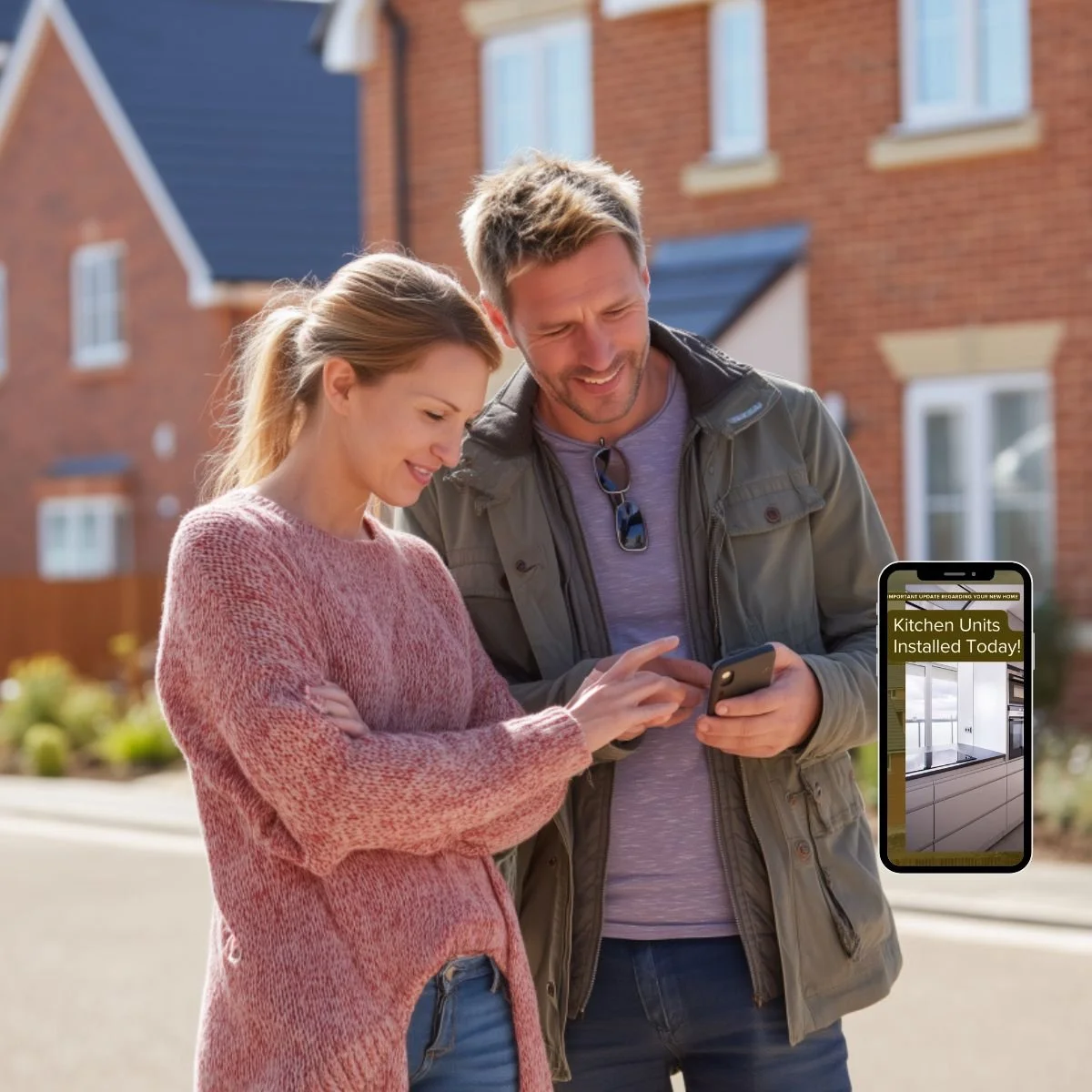
This poses a significant challenge for homebuilders. Buyers no longer accept the traditional means of communication or slow response times; nor will they accept limited visibility into the build process.
Today’s homebuyer expects immediate access to information, instant, digital communication, transparent progress tracking, personalised experiences, self-service functionality and mobile-friendly platforms. In many ways, buyers now expect the same convenience from purchasing a home as they do from booking travel or shopping online.
Virtual Experiences Are Becoming Standard
One of the biggest shifts in homebuilding CX is the growing expectation for immersive digital viewing experiences. Virtual tours, augmented reality (AR) and interactive home demonstrations have moved from being seen as a nice-to-have to becoming expected components of the sales journey. The reason is that VR and AR technologies allow buyers to explore layouts, materials and finishes before construction is complete, making it easier for them to make a confident decision about the home before they can see the finished project.
These tools also solve several customer pain points simultaneously. They allow buyers to explore properties remotely, meaning they can buy homes from anywhere in the world. Decision-making is easier and therefore quicker, while the anxiety around making off-plan purchases is reduced. Buyers also feel a stronger emotional connection to the property earlier in their homebuying journey, which means fewer fall-throughs.
This digital visualisation is particularly valuable and expected by younger buyers who are accustomed to highly visual online experiences across retail, social media and entertainment platforms.
Transparency Has Become Non-Negotiable
Historically, delays, changing timelines and unclear updates have created a sense of distrust between homebuyers and property developers. It’s not surprising then that one of the most appealing aspects of a digital homebuying experience is that it facilitates real-time updates and transparency.

Customer portals and mobile apps are increasingly being used to provide live construction updates, progress photos, appointment scheduling and direct messaging between site teams and customers. As ECI Solutions points out, ‘Transparent communication builds trust and trust is currency with today's homebuyers.’
This expectation mirrors the broader digital CX trends identified by Deloitte Insights, whose research found that ‘An enhanced digital customer experience is now considered “table stakes” according to industrial manufacturing and construction companies surveyed, and offers the potential to add value across the organisation, from presales, design, production, and delivery to aftermarket and operate services.’
For homebuyers in the process of making one of the largest financial commitments of their lives, silence or uncertainty is not going to be tolerated; it is the digital journey that offers the peace of mind they’re looking for.
Buyers Expect Personalisation – Not Generic Communication
Personalisation has become a central focus in digital CX strategy across industries and homebuilding is no exception. Modern buyers expect communication tailored to every part of the homebuying journey, from their preferred property type, the stage they’re at in the buying journey, their budget and lifestyle preferences, any upgrade selections and their preferred communication channels.
Achieving the strongest CX outcomes relies on orchestrating customer journeys from start to finish, rather than perfecting isolated touchpoints. For homebuilders, this means moving beyond mass emails and generic updates towards the communication buyers increasingly expect. For the buyer, that means receiving only relevant recommendations and messaging that might be automated but should still be personalised. They expect intelligent follow-ups, CRM-driven communication and consistency in their interactions across sales, customer care and aftercare.
Some property developers are now using platforms that offer messaging tools, like Chat and SMS to engage their residents, in the same way that retail and banking have already adapted to these expectations.

Mobile-First Experiences Are Essential
The majority of property searches now begin online, and increasingly on mobile devices. And buyers have expectations when beginning the search for a new home digitally. Ensuring you have fast-loading websites and mobile-friendly portals is the first step. Moving forward, responsive customer support and click-to-book appointments help turn the interested viewer into a potential buyer, at which point digital document handling and a simple reservation process will help close the sale.
Any friction in the digital journey can lead to a change of heart and even abandonment of the purchase entirely.
In fact, PwC, a global professional services firm that provides audit, consulting and tax services, found that ‘Nearly 80% of American consumers say that speed, convenience, knowledgeable help and friendly service are the most important elements of a positive customer experience.’
In practical terms, this means buyers now expect to book viewings instantly, receive rapid responses, access documents digitally, track progress on their phone and complete transactions with minimal paperwork. Property developers relying on outdated systems increasingly risk falling behind more digitally mature competitors.
Buyers Want Human Support – But on Their Terms
Despite the rise of automation and AI, buyers do not want a fully automated experience. They want a hybrid approach that combines digital convenience with human reassurance.
A recent analysis published by business technology experts, TechRadar Pro, reveals that ‘Today, customers specifically prioritise human connection over response speed, particularly in complex or emotionally charged scenarios. No artificial intelligence (AI) model, no matter how advanced, can replicate the emotional nuance of a live agent in those critical moments.’ This means the that the modern CX must balance automation with empathy because customers increasingly expect both digital efficiency and emotional intelligence.
This is particularly relevant in housebuilding, where purchases are emotionally and financially significant. Buyers still value access to knowledgeable sales staff, human reassurance during delays, personal responses to concerns and relationship-driven aftercare. The difference is that customers now want these interactions to happen within a digitally enabled framework. For example, that might mean Live Chat with real advisors, video calls instead of branch visits, instant messaging updates and self-service portals backed by human support. The expectation is no longer between digital or human. It’s a mixture of both.
Aftercare Is Now Part of the Digital Experience
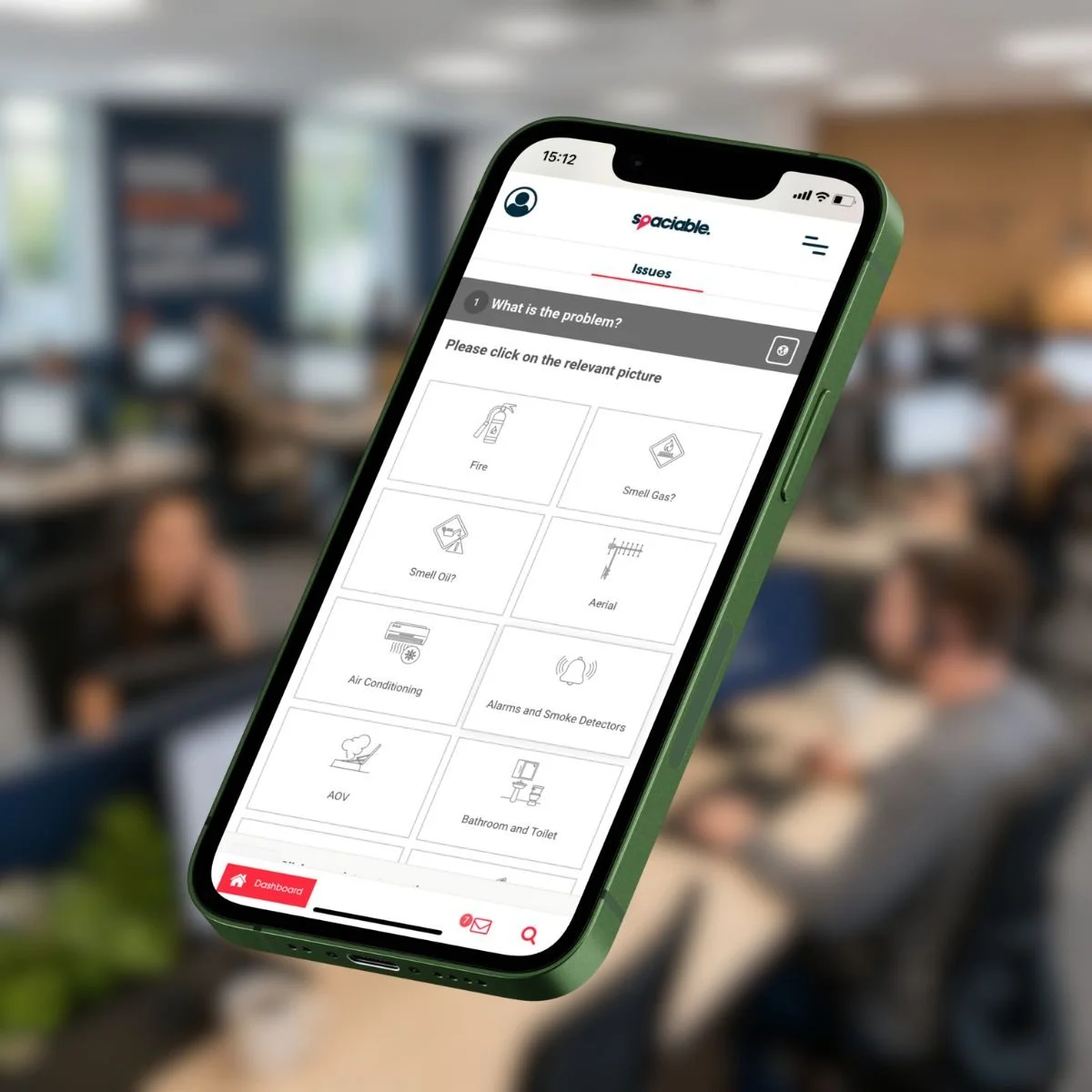
When selling a new build home, customer experience doesn’t end at legal completion. Increasingly, buyers judge homebuilders on post-handover service quality, including snagging management, warranty support, defect reporting, repairs scheduling and ongoing communication.
Digital platforms that incorporate aftercare, like Spaciable, are becoming more common because they provide transparency and accountability for both builders and homeowners, long after the keys have been handed over.
This long-term experience is worth investing in, as it has a direct impact on brand reputation, online reviews, referral rates, repeat purchases and customer satisfaction scores. In an industry where trust is critical, aftercare has become a major differentiator.
Data and AI Will Shape the Next Generation of Housebuilding CX
The next phase of digital customer experience in housebuilding is likely to be driven by AI, predictive analytics and integrated CRM systems. This is evident through the evolution of customer data and how property developers are using it, such as predicting buyer preferences, personalising recommendations, improving sales forecasting, identifying customer frustration points and intelligently automating communications.
KPMG, a leading audit, tax and consulting firm, notes that ‘An effective customer analytics capability is a pre-requisite to compete in today’s customer centric world.’ Businesses delivering strong digital CX now rely on advanced analytics and agile customer insight to perfect the customer journey.
For housebuilders, this evolution is already leading to some exciting advancements, such as hyper-personalised buyer journeys, AI-assisted design recommendations, predictive aftercare support, intelligent sales automation and real-time sentiment monitoring.
However, the focus must always stay on maintaining trust, transparency and human oversight.

Digital customer experience in homebuilding is rapidly becoming one of the industry’s primary competitive battlegrounds. Platforms like Spaciable are the solution to meeting so many homebuyer expectations, like seamless digital journeys, personalised communication, real-time transparency, mobile-first convenience, immersive visual experiences, fast responses and human support backed by technology.
Homebuilders that succeed over the next decade won’t just build quality homes; they’ll build connected, transparent and digitally enabled customer experiences that reflect how today’s consumers already interact with the rest of the world.
Frequently Asked Questions
What is digital customer experience in homebuilding?
Digital customer experience refers to how homebuyers interact with developers through digital tools, platforms and communication throughout the buying journey.
Why is digital customer experience important for homebuilders?
It helps improve customer satisfaction, build trust, streamline communication and meet modern buyer expectations.
What do homebuyers now expect from homebuilders?
Buyers expect fast communication, transparent updates, mobile-friendly experiences and personalised support throughout the process.
How are homebuilders improving the customer journey digitally?
Many developers now use customer portals, mobile apps, virtual tours and automated communication tools to improve engagement.
What are customer portals used for in homebuilding?
Customer portals allow buyers to access updates, documents, appointments and aftercare support in one place.
Are virtual tours important in new build housing?
Yes. Virtual tours are increasingly expected by buyers, especially for off-plan developments and remote viewing.
How does digital communication improve buyer satisfaction?
It reduces uncertainty, speeds up responses and creates a more seamless and transparent experience.
What role does personalisation play in customer experience?
Personalisation helps buyers receive more relevant communication, recommendations and support throughout their journey.
Why is digital aftercare important for homeowners?
Digital aftercare makes it easier for homeowners to report issues, track repairs and communicate with customer care teams.
What is the future of digital customer experience in housebuilding?
The future is likely to include greater use of AI, automation, predictive insights and more personalised digital journeys.