 Classic Folios


Why Customer Portals Are Essential for Property Developers (UK Guide for 2026)
The expectations of homebuyers and tenants have evolved over recent years and what used to be considered suitable, such as emails, phone calls and paper documents, is now increasingly seen as slow and frustrating. Today’s residents expect the same level of digital access they experience in banking, retail and travel. Failing to meet those expectations could cost sales, referrals and even tarnish a company’s reputation.
For property developers, the shift in what is perceived as ‘normal’ by customers is driving the rise of one key solution: the customer portal.
What Is a Customer Portal in Real Estate?
A customer portal is a secure, digital platform where homebuyers can access key information about their property, track progress and communicate with developers, all in one place.
Instead of relying on multiple email threads or phone calls, residents are given a single source of truth throughout their moving-in journey and during their time living in the home.
The UK Context: Growing Pressure on Developers
To understand why customer portals are becoming essential, it’s important to look at the wider UK housing landscape. Housebuilders are under increasing pressure to deliver more homes, more efficiently and often within a constrained system.

At the same time, the process itself is becoming more complex. ‘Years of sluggish approvals, increasing costs, and fragmented local strategies have left the country trailing its European counterparts in delivery speed, investor confidence, and public trust,’ reports Planning, Building and Construction Today magazine.
Crucially, developers are operating within a system that is fragmented, multi-sourced and increasingly data-heavy. That complexity doesn’t stop at construction. Unfortunately, it flows directly into the customer experience.
Why Traditional Communication Models Don’t Always Work
Despite the complex systems around homebuilding, many developers are still relying on traditional communication methods. That typically means email chains, spreadsheets, manual updates and reactive communication. The challenge with this approach is that it is much harder to scale.
When information is spread across multiple systems and stakeholders, inefficiencies quickly appear. This can lead to repeated buyer queries, duplicated admin and inconsistent messaging. And as developments grow in size and volume, those inefficiencies compound.
A Complex, Multi-Stage Process (and Why It Matters)
Housebuilding isn’t just about construction, it’s a multi-stage lifecycle involving a wide range of activities, stakeholders and information flows. From early planning and approvals, through construction and inspections, to completion and aftercare, each stage generates its own data, documentation and communication requirements.
These stages don’t operate in isolation. The process isn’t linear; it’s layered and interconnected. Delays, updates or changes in one area can have a direct impact on others. For example, planning approvals can affect build timelines, construction progress influences buyer updates, inspections and sign-offs impact completion dates and aftercare issues feed back into customer communication.
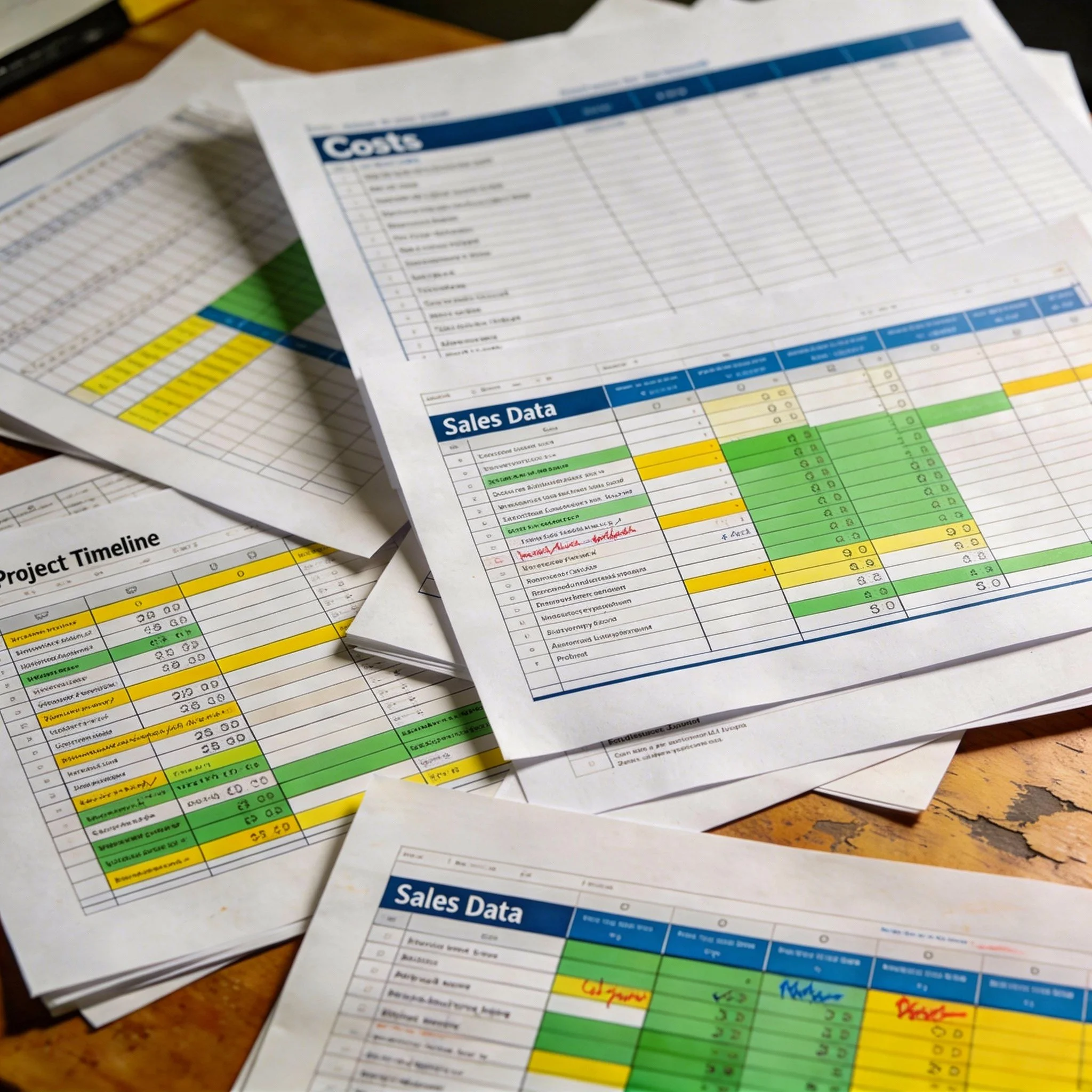
At the same time, a wide range of organisations are involved, from local authorities and warranty providers to site teams, sales teams and customer care agents.
For developers, this creates challenges around visibility, coordination and communication, and without a centralised system, information is often spread across emails, spreadsheets and disconnected tools. The result from that internal complexity is that homebuyers and tenants can experience inconsistent updates, repeated requests for information and uncertainty around timelines or next steps.
In other words, the complexity of the process doesn’t disappear, it gets passed on.
This is where centralised digital tools, such as customer portals, play a critical role, bringing structure, visibility and consistency to an otherwise fragmented journey.
What Does a Customer Portal Actually Do?
A well-designed customer portal acts as a central hub for the entire buying or tenancy journey, consolidating your residential engagement and property management needs into one comprehensive tool.
It brings together:
24/7 Access to Information
Home users can access documents, updates and key milestones at any time.
Centralised Documentation
Everything, from warranties to contracts, is stored in one place.
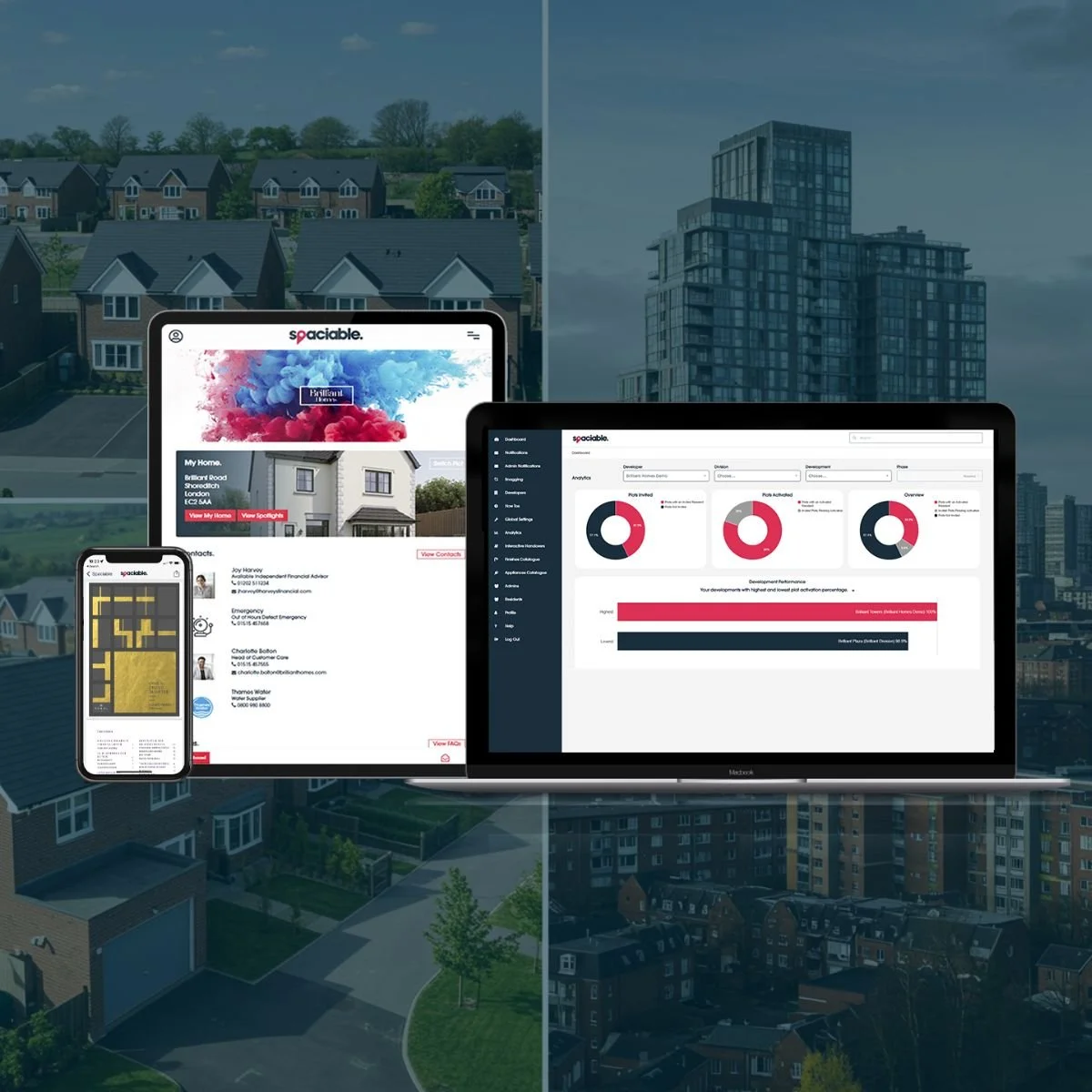
Real-Time Updates
Progress, appointments and key milestones are visible as they happen.
Self-Service Functionality
Buyers can find answers without needing to contact support teams.
Structured Communication
All messaging and updates are managed from one location, meaning no duplicated admin.
The Business Case: Why Customer Portals Are Becoming Essential
As London property experts Anderson, Wilde and Harris points out, ‘Buyers expect seamless interactions, tenants expect transparent communication, and investors expect real‑time performance insight. Platforms now make these expectations achievable at scale, often with fewer resources and in less time.’ Customer portals aren’t just about improving the residential experience, they also directly address operational pressure.
1. Reduced Admin and Greater Efficiency
In a fragmented system, teams spend significant time responding to repeated questions, sharing documents manually and managing communication across multiple channels.
Customer portals, however, streamline all this into a single workflow.
2. Improved Customer Experience
Buyers and tenants increasingly expect transparency, accessibility and real-time updates and therefore developers need to choose a portal that delivers all three.
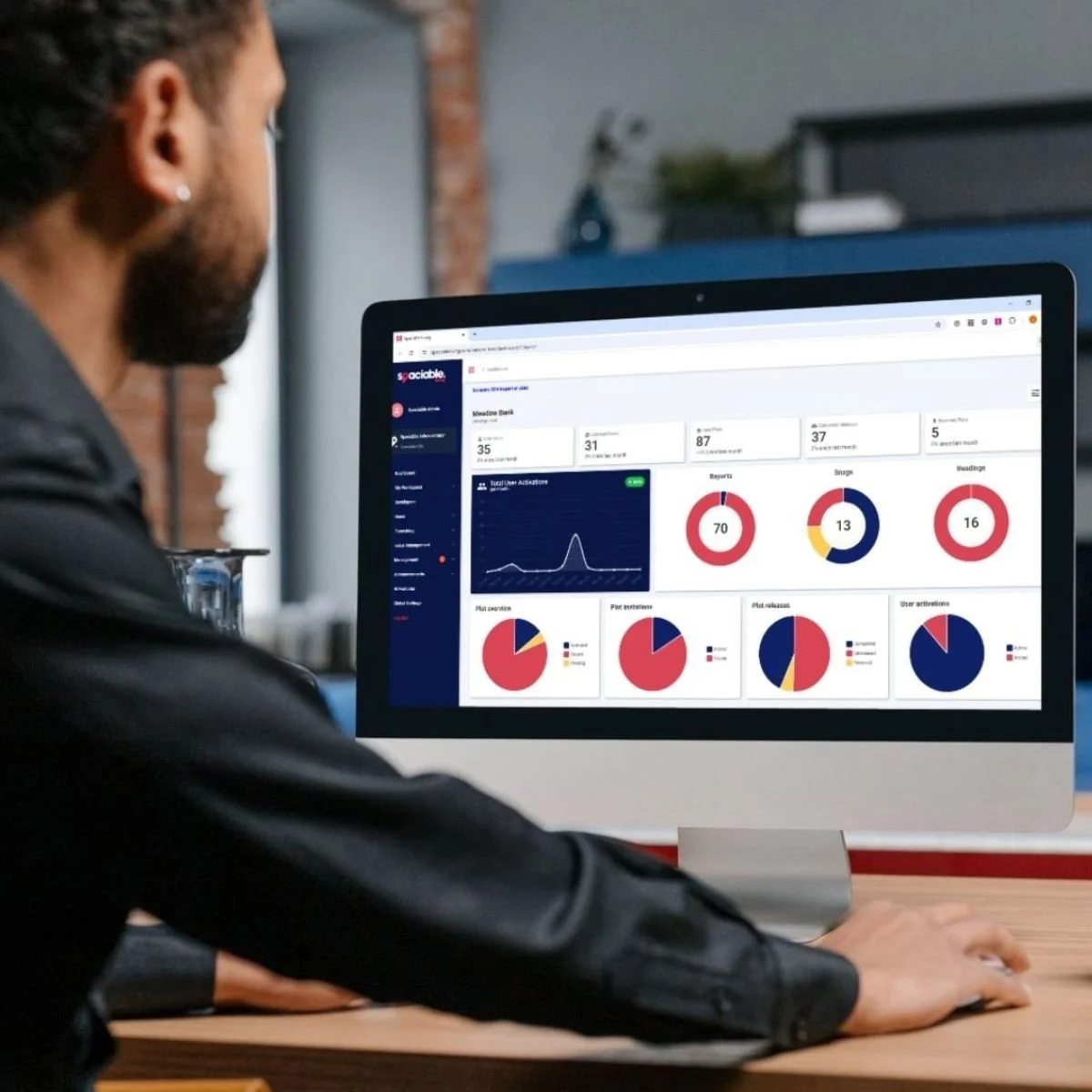
3. Better Visibility Across the Journey
Because the UK housing process involves multiple stages and stakeholders, visibility is critical. A portal provides a single source of truth, from presales through to aftercare, reducing confusion and miscommunication.
4. Scalability Across Developments
As developers manage more plots and more buyers, consistency becomes harder. Customer portals help by standardising the experience across sites, teams and projects.
Why This Matters More in 2026
Several UK-specific trends are accelerating the need for more structured, digital approaches like customer portals.
Rising Complexity
As the homebuilding process is becomes increasingly complex, coordinating accurate information is becoming harder to manage, especially without a centralised system.
Operational Pressure
Developers are being asked to deliver more homes while managing tighter margins and leaner teams. Rising build costs, economic uncertainty and resource constraints mean there is less room for inefficiency, making streamlined processes and reduced admin more important than ever.

Higher Buyer Expectations
Today’s buyers expect a digital-first experience as standard. They are used to accessing information instantly, tracking progress in real time and communicating through intuitive platforms. This is the age of Amazon Same Day Delivery shopping, where everything from Buy It Now to the moment the package arrives through the door can be monitored in real time. When the property journey falls short of these expectations, it can quickly lead to frustration and increased demand on customer-facing teams.
Pipeline Constraints
With fewer planning approvals and tighter development pipelines, the focus is shifting from volume to efficiency. Developers need to maximise performance across existing sites to ensure that processes, communication and customer experience are as smooth and consistent as possible.
Customer Portals as Part of the Digital Property Journey
Customer portals are not standalone tools; they sit at the centre of a wider digital ecosystem. They connect pre-sale communication, build-stage updates, handover and aftercare. The best systems will also integrate with any additional tools you need to ensure a smooth experience for both your team and your customers.
This creates a consistent, end-to-end experience, which is something that is increasingly expected in the UK market.
As the UK housing market becomes more complex, more pressured and more customer-driven, and many developer processes remain fragmented, customer portals can bridge the gap. They don’t just improve communication, they reduce inefficiencies, streamline operations and create a better experience for buyers and tenants.
In a market where every operational gain matters, they’re an essential tool for growth.
Frequently Asked Questions
What is a customer portal in property development?
A customer portal is a secure digital platform that allows homebuyers and tenants to access key information about their property, track progress and communicate with developers in one central place.
Why are customer portals important for property developers?
Customer portals help developers streamline communication, reduce administrative workload and improve the overall customer experience by providing a single source of truth for buyers and tenants.
How do customer portals improve the homebuyer experience?
Customer portals give buyers instant access to updates, documents and key information. This reduces uncertainty, improves transparency and creates a more seamless and consistent experience throughout the property journey.
What features should a property developer customer portal include?
A well-designed customer portal should include document storage, real-time updates, communication tools, self-service functionality and secure access for users to manage their property information.
How do customer portals reduce admin for developers?
By centralising communication and documentation, customer portals reduce the need for repeated emails, manual updates and duplicated work, allowing teams to focus on higher-value tasks.
Are customer portals becoming standard in the UK property market?
Yes. As buyer expectations increase and the property development process becomes more complex, customer portals are quickly becoming a standard tool for forward-thinking UK developers.
How do customer portals support the property handover process?
Customer portals provide a structured way to deliver documents, share updates, and manage communication during the handover stage, helping to ensure a smoother and more organised transition for buyers.
Can customer portals be used after completion or move-in?
Yes. Many customer portals like Spaciable continue to support homeowners and tenants after move-in by providing access to important documents, maintenance reporting and ongoing communication with property managers or developers.
What challenges do customer portals help solve in housebuilding?
Customer portals help address common challenges such as fragmented communication, lack of visibility, repeated buyer queries and inconsistent customer experiences across developments. They also help speed-up issue reporting and resolution by digitising the logging and progress of defects.
Do customer portals integrate with other property systems?
Modern customer portals like Spaciable can integrate with other systems, helping to create a more connected and efficient digital ecosystem.