


The construction industry is often cited as one of the slowest sectors to adopt technology, however, when it does embrace digitisation, it does so with gusto. ‘Digital transformation in the construction industry has witnessed unprecedented acceleration in recent years,’ reports data discovery platform, StartUs Insights. And now that the industry has officially embarked on its digital journey, the UK property industry is rapidly evolving.
Technology has infiltrated almost every element of the homebuilding process, from planning through to aftercare, but nowhere does technology benefit the homebuying and selling experience more than when used at handover.
This once paper-heavy, disjointed process can be whipped into a time-saving, efficient and cost-effective handover of property development dreams.
For housebuilders, developers and housing providers, the move toward a digital handover solution is transforming how their properties are delivered and experienced by their home users.
But what exactly is a digital handover and why is it becoming essential in 2026?

What Is a Digital Handover in Real Estate?
A digital handover is the process of delivering all property-related information, including documents, manuals, warranties and communications, through a single, structured digital platform.
Instead of disorganised paperwork, scattered emails and missing documents, homebuyers receive everything they need in one place, which is accessible at any time.
Digital handovers are designed to optimise the property completion process for both homebuyers and sellers, making is faster, easier and more reliable.
The UK Housing Challenge: Demand is Outpacing Supply
To understand why digital transformation matters, it’s important to look at the broader market context.
The UK housing market continues to face a significant imbalance between supply and demand, which places increasing pressure on developers to deliver more, often with constrained resources.
The government has set a target of delivering 300,000 new homes per year, yet actual output remains well below this level. As reported by The Guardian, ‘In Labour’s first year in power, 140,860 homes were completed in England, and just under 116,000 homes were started, far below the required annual run rate of 300,000 to achieve its target.’
This persistent shortfall highlights a fundamental challenge: developers are being asked to increase delivery while navigating mounting constraints.
In this context, improving efficiency across every stage of the development lifecycle, including the handover process, is becoming critical.
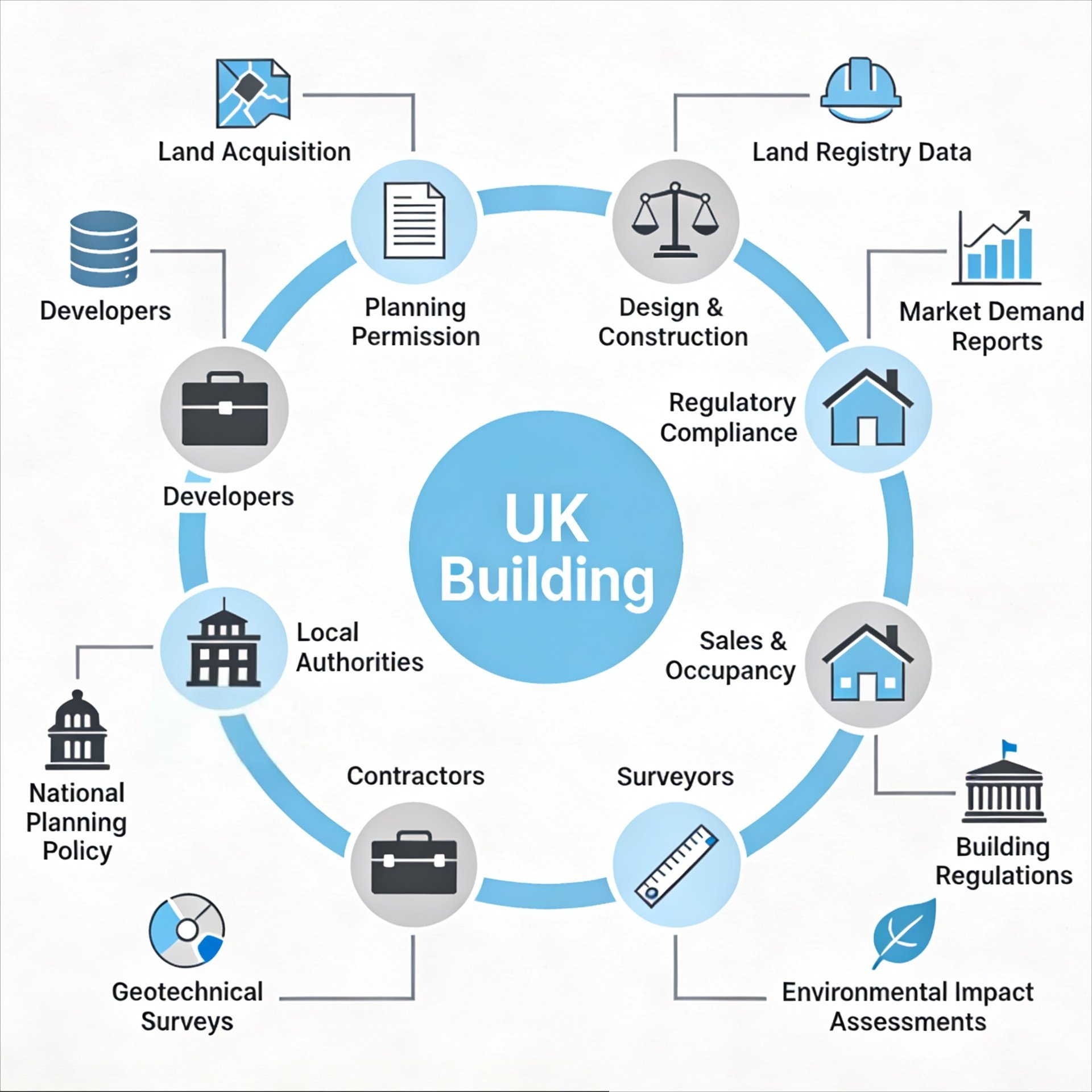
A Complex and Fragmented Construction Process
Housebuilding in the UK is not a single process, it’s a complex, multi-stage system involving multiple stakeholders, data sources and regulatory touchpoints.
The process involves meeting requirements set out by a wide range of organisations, including local authorities, warranty providers, such as NHBC, and building control systems. This fragmented structure creates challenges around data consistency, communication and process visibility. It also highlights why digital solutions, particularly those that centralise information, are becoming increasingly important.
What’s Included in a Digital Handover?
Though providers of digital handovers may offer slightly different solutions, they will all typically incorporate the same items.
A modern digital handover platform includes:
Property documents (warranties, certificates, contracts etc.)
Appliance manuals and home information
Snagging and defect reporting tools
Build updates and communication history
Key contacts and support guidance
For example, tools like Spaciable’s homeowner engagement platform centralise all of this into one intuitive experience.
Why UK Developers Are Embracing Digital Handovers
Although the industry is said to be slow on the uptake of technology, the rapid expansion of the PropTech sector, which received £32 billion in startup funding last year alone, makes evident that this initial hesitation was in no way an indication of the speed at which these technologies would be embraced once the digital ball was rolling. But why are developers in the UK moving to digital handovers?

1. Better Customer Experience
The handover moment is highly emotional for homebuyers. An underwhelming experience can damage overall satisfaction.
Digital handovers, however, provide clarity, structure and confidence for new homeowners. They are accessible and reliable and allow buyers to move into their new home feeling informed and independent, which greatly enhances the customer experience.
2. Reduced Admin and Operational Costs
Traditional manual processes can be paper-heavy and laborious and this makes them hard to pull-off well. A manual handover that lacks structure can lead to an increase in admin time, errors and repeated communication with confused homebuyers.
Digital systems streamline everything into a single workflow, ensuring handovers are swift, comprehensive and dependable.
3. Increased Transparency and Trust
Another attraction to the digital handover is that they allow home users to self-serve key information about the new home, such as documents, updates and support.
This visibility builds trust between homebuyer and builder, which is an issue the property industry has historically struggled with.

4. Supporting the Digital Transformation of Property
PropTech is defined by operation automation provider, ProptechOS, as ‘the use of software, data, and automation to improve how real estate is built, bought, sold, managed, and operated.’ The industry’s adoption of digital handover tools is a move in this direction.
From marketing to aftercare, digital tools are reshaping the entire lifecycle, for the benefit of both homebuilders and the end users.
Housebuilder Constraints and Market Pressure
Alongside supply challenges, UK housebuilders are facing growing operational and financial pressure. Rising costs, economic uncertainty and market volatility are already impacting developer behaviour. Major UK housebuilders are scaling back land buying, while development pipelines are tightening. Combined with rising interest rates, build costs and regulatory requirements, these pressures are forcing developers to rethink how they operate.
The result is a clear shift in focus toward operational efficiency, cost reduction and a smarter use of technology.
Why Digital Handovers Matter More Than Ever in 2026
There are several UK-specific trends that are accelerating the adoption of digital handovers, each with varying degrees of influence but all pointing the industry in a digital direction.
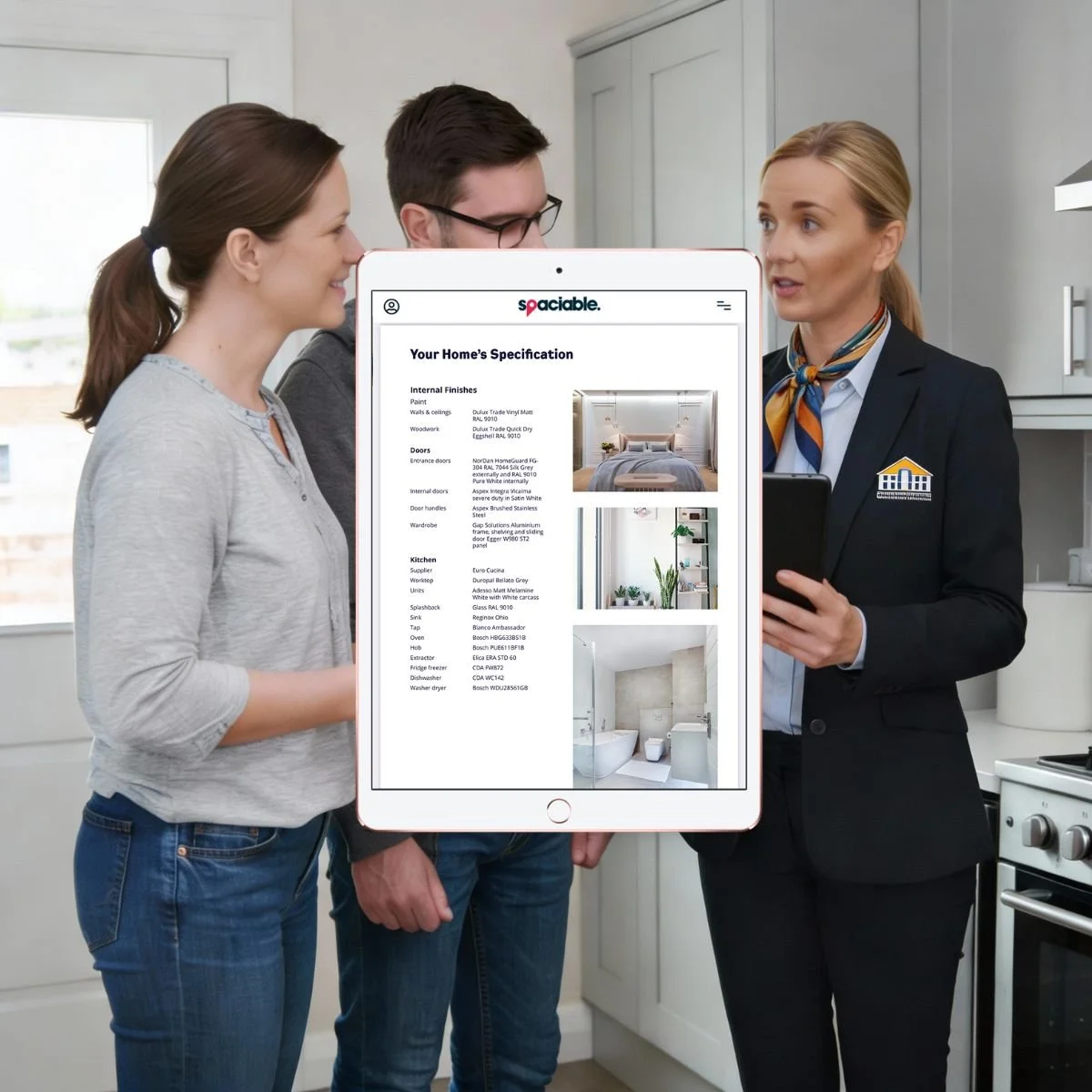
Higher Buyer Expectations
As today’s buyers are used to mobile-first, on-demand access to information, a digital handover is easy for them to navigate and understand.
More Complex Homes
Smart systems, warranties and compliance requirements are increasing. As digital handovers allow a comprehensive collation of all the related documents and paperwork, they make an obvious choice to help meet these demands.
Pressure on Developer Teams
Efficiency is becoming increasingly critical as teams manage more plots and tighter timelines, and tools offered by digital handovers, such as housing management systems, allow teams to connect to every resident, every issue and every obligation at the tap of a button, saving valuable time and resources. For housebuilders managing hundreds of plots, digital handovers ensure consistency across every development.
Competitive Differentiation
Customer experience is now a key differentiator for housebuilders, so choosing the correct tools for an optimal customer journey is paramount. And this is even more true for premium developments, where the handover experience is part of the brand. An effective digital delivery ensures it reflects the quality of the build.

How Digital Handovers Improve the Homebuyer Journey
Digital handovers don’t just improve the customer experience at completion, they enhance the entire homebuying journey. Platforms like Spaciable offer a consistent, end-to-end experience which incorporates pre-completion communication, construction updates, aftercare and defect management.
Spaciable can be used from presales through to completion and for the duration of the resident’s time in the home, becoming a vital part of the home user experience.
The Future of Property Handover in the UK
Digital handovers are gaining in popularity across the UK and to adopt them sooner rather than later will reap benefits for the developer. Digital handovers help build stronger customer relationships, increase efficiency of operations and give developers a clear advantage over their competitors.
Those who don’t take the digital leap risk falling behind as homebuyer expectations continue to rise.
Finally, a digital handover is more than a process improvement, it’s a shift in how developers deliver value at one of the most critical stages of the property lifecycle. In 2026 and beyond, we can only expect to see digitisation growing in the property sector. Where will you stand on digitisation by the end of this year?
Frequently Asked Questions
What is a digital handover in real estate?
A digital handover is the process of delivering all property-related documents, manuals, warranties and communications through a single online platform, rather than using paper documents or emails.
Why is digital handover important for property developers?
Digital handovers improve efficiency, reduce administrative workload and enhance the homebuyer experience by providing clear, centralised access to all property information.
What documents are included in a digital handover?
Typically, a digital handover includes warranties, compliance certificates, appliance manuals, contracts and key contact information, along with tools for reporting defects or snagging issues.
How does a digital handover improve customer experience?
It gives buyers instant access to important information, reduces confusion, and enables better communication, resulting in a smoother and more transparent property completion process.
Is digital handover becoming standard in the UK property market?
Yes. As customer expectations rise and the property sector adopts more digital tools, digital handovers are quickly becoming the standard approach for forward-thinking developers.