 Classic Folios


Tenant Complaints Have Escalated by 58% - How Spaciable Can Steer Landlords through Uncertain Waters with Confidence
The UK rental market has been expanding at a phenomenal rate over the last few years and with good reason. Unaffordable house prices, a cost-of-living crisis and stagnant wage growth have all played their part in pushing homeownership out of reach for a large segment of the population. According to Statista, 35.2% of people in England are living in rental properties and between them, these tenants are paying £89.4bn for their homes.
Now, we are hearing that between ‘November 2025 and February 2026, the ombudsman received 58% more complaints than in the same period a year earlier,’ as reported by Property Wire.
The Renter’s Rights Bill is apparently to blame, as according to Property Reporter, ‘The scheme attributes the surge to growing consumer awareness of tenant rights ahead of the Act's major reforms, which come into force in May.’
So, with tenancies soaring and expectations arguably as high as they have ever been, what can landlords do to prevent complaints escalating and to protect their reputation? In this blog, we’ll explore how landlords can stay abreast of the upcoming changes and ensure they have the best tools in place to deal with tenant issues swiftly. But first…
Why Else Could Tenant Complaints Be on the Rise?
The Renters Rights Act is undoubtedly raising awareness among tenants regarding their expectations about their homes and the service offered by their landlords, but is this the only reason for such a significant rise in complaints? The rental market has evolved over recent years, meaning there are a number of factors to consider beyond legislation.
Here, we will take a look at five theories about why tenant complaints are increasing.
1. More People Are Renting
It stands to reason that with a significant rise in tenancies will come a significant rise in tenant issues. And the rental market growth is notable, as insurance brokers Alan Boswell note, between 1990 and 2023, ‘The number of rental homes in England has increased by over a third (36%).’ Not only that, it is still growing, with the private rented sector expanding in particular. The National Residential Landlords Association (NRLA) points out that despite talk of a supply crisis, ‘The government data, covering the 2023/24 period and published in March this year, does indeed show that there were 4.9m private rented homes in England - 19% of the 25.6m homes in the country – up 15,000 on the previous year.’
However, this is a slower output of rental homes than previous years, as the NRLA go on to highlight that ‘Statistics from the same survey in 2022/23, showed an additional 31,000 rental homes had been added to the total stock.’
In terms of the effect of this on tenant complaints, even if complaint rates stayed flat, a bigger rented sector naturally produces more total complaints. More tenancies, to at least some degree, will mean more complaints.
2. Rising Rents and Affordability Stress
The Office for National Statistics (ONS) highlights that ‘Private rental prices paid by tenants in the UK rose by 6.2% in the 12 months to January 2024.’ This percentage increase has been the same since the 12 months leading to December 2022, ‘and represents the highest annual percentage change since this UK data series began in January 2016,’ points out the ONS.
Additionally, Zoopla’s Rental Market Report 2023 added that ‘Rents for new lets are up 10.5% over the year’ and that ‘Rental inflation has been in double digits for 18 months.’
You can reasonably argue that when people are paying record‑high rents, they’re more likely to feel entitled to higher standards and to use ombudsman routes when they don’t get them.

3. Greater Awareness of Rights and How to Complain
Beyond the Renters’ Rights Act itself, there has been a broader ‘rights awareness’ wave. The very fact of a 58% increase in complaints made to The Property Ombudsman reflects a growing awareness of rights among tenants ahead of the Act.
There have also been troubling legal cases, especially that regarding the death of Awaab Ishak and the introduction of Awaab’s Law. This had a huge impact on raising public awareness of damp, mould and disrepair as rights issues. The Grenfell Tower tragedy has only heightened fear among tenants and reduced trust in the building standards of rental homes.
The Housing Ombudsman’s Annual Complaints Review and related communications have also actively encouraged tenants to use the complaints process. The Housing Ombudsman reports a surge in engagement, stating that ‘2023-24 turned out to be the most active year for the HOS yet: the service handled 40,000 enquiries, equivalent to someone contacting the HOS every 41 seconds and a new case was registered every three minutes.’ The top three areas for complaints were repairs at 43%, complaint handling at 16% and tenant behaviour at 10%.
Legislation, media coverage and campaigning (especially around damp and mould) have normalised the idea of escalating complaints, and could arguably have had a hand in the 58% rise reported by the ombudsman.
4. Quality, Disrepair and Service Failures
Sadly, complaints are unlikely to be more numerous simply because of awareness. It is more likely that underlying service issues are widespread. This is not the fault of landlords necessarily but down to operational faults within providers’ service.
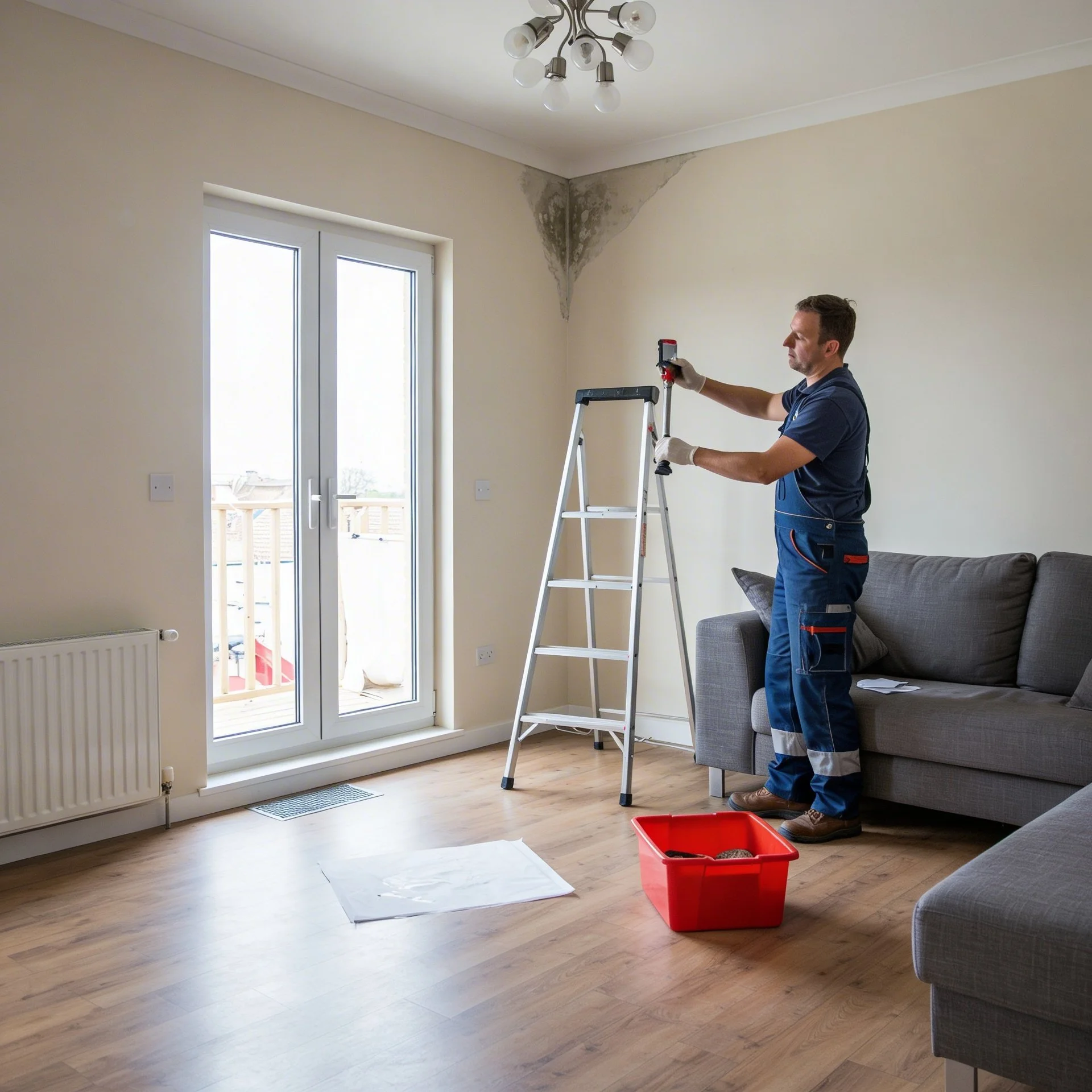
Repairs accounting for 43% of all complaints received by the ombudsman points to an issue with systems. Have home users got access to an appropriate and effective method of notifying their landlords of issues before they escalate?
With tenants more aware of what their rights are, long-standing issues are more likely to be escalated rather than tolerated. The government’s guidance on Awaab’s Law emphasises tenants’ rights to timely action on damp and mould, with guidance stating: ‘Landlords must investigate and fix hazards such as damp and mould within strict time limits.’ But without effective means of logging and responding to issues, these ‘strict time limits’ can be difficult to meet.
5. Structural and Operational Factors on the Landlord/Agent Side
As well as those listed above, there are a few more plausible contributors to this increase in complaints. For instance, there are now more agents and landlords under ombudsmen schemes. The Property Ombudsman now has over 19,000 offices and branches registered, including 82 of the top 100 estate agents. More members will mean more potential complainants with a clear route.
It is also worth noting the ease with which complaints can now be made. Online forms, emails and social media links all make it easier and less intimidating to escalate issues than traditional letter‑writing or phone calls. The rising volume of enquiries reported by the Housing Ombudsman (40,000 enquiries in 2023–24, a case registered every three minutes) could indicate how easy it is now for tenants to escalate their complaints.
How Spaciable Can Help Landlords Reduce Ombudsman Complaints
When you look at the reasons behind the rise in complaints, such as higher rents, more tenancies, increased rights awareness, and persistent issues around repairs and communication, a pattern emerges. Most disputes don’t start with malice; they start with miscommunication, slow responses, or unclear expectations.
This is exactly where platforms like Spaciable can make a measurable difference.
1. Clear, Centralised Communication Reduces Misunderstandings
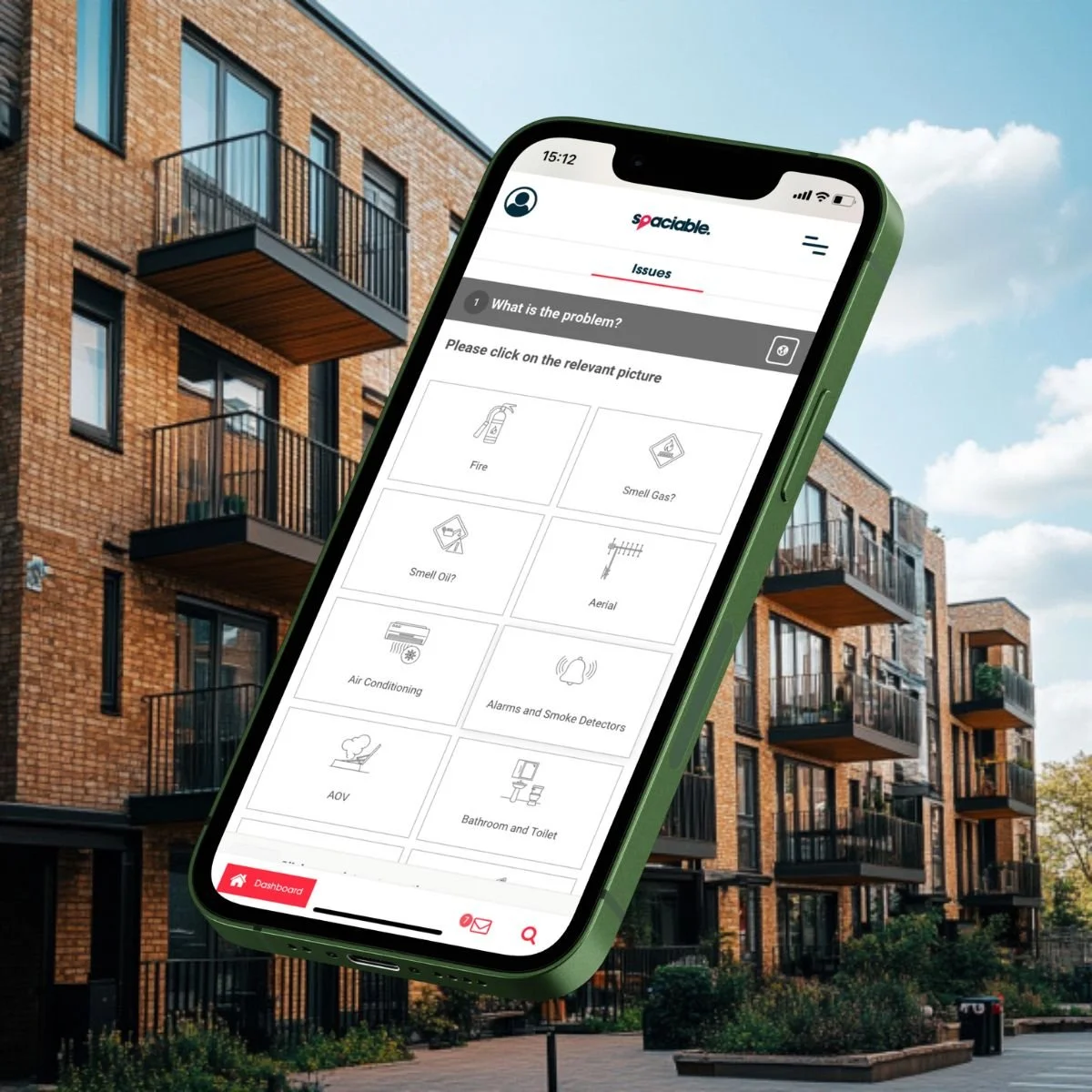
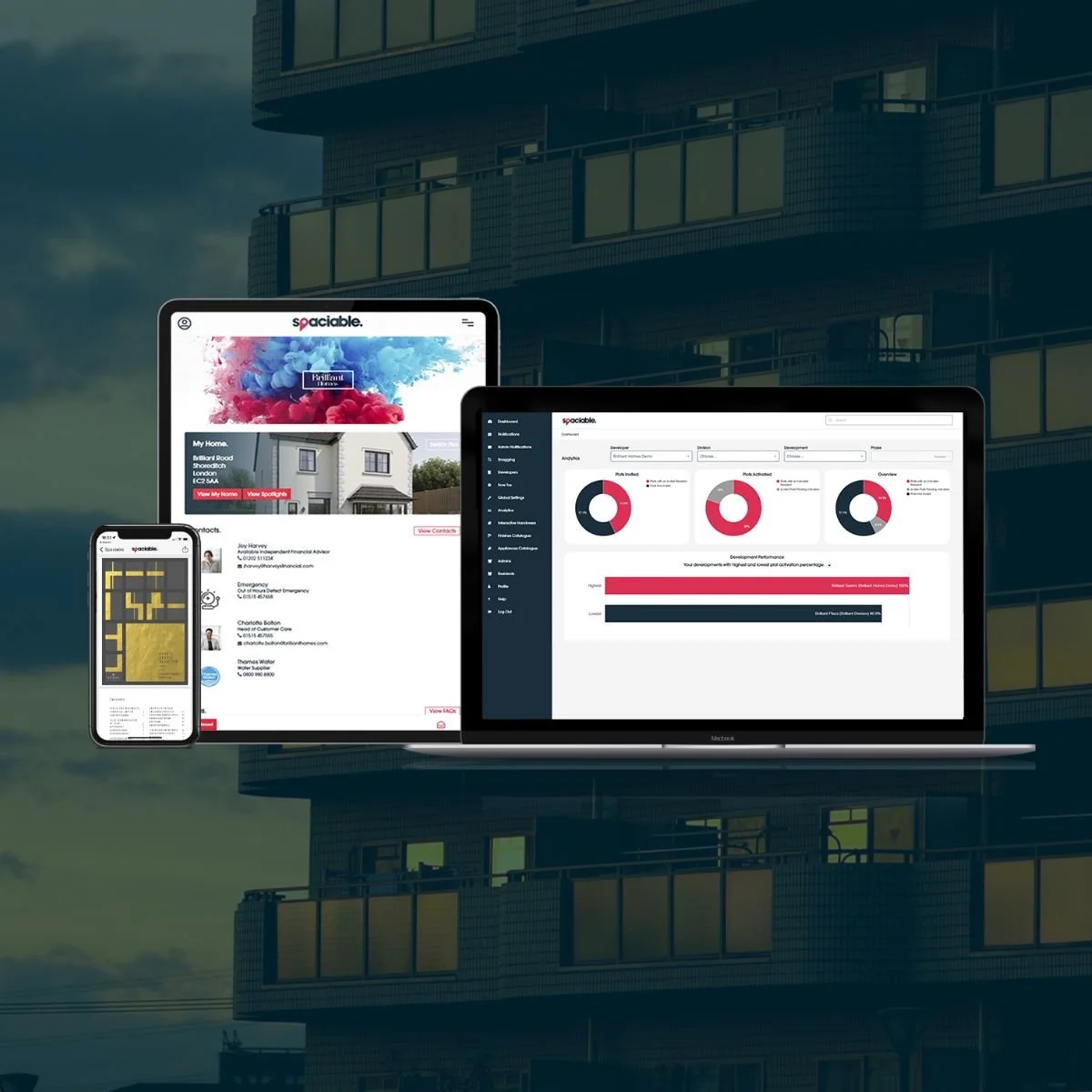
Many ombudsman cases stem from tenants feeling ignored or unsure how to report issues. Spaciable gives landlords and agents a single, structured communication channel where tenants know exactly where to report problems. The portal also allows landlords to track and respond to messages, ensuring nothing gets lost in email chains or text messages.
When communication is centralised and timestamped, it’s far easier to demonstrate that issues were handled promptly and far less likely that tenants escalate to formal complaints.
2. Faster Reporting and Resolution of Repairs
Repairs are the number one cause of complaints to the Housing Ombudsman. Spaciable’s defect reporting tools allow tenants to log issues instantly, including uploading photos to support the claim, meaning they can provide the detail landlords need to triage quickly.
For landlords, this means they can diagnose defects faster, better prioritise the issues they’re sent and create a clear audit trail showing action that’s been taken, to ease the worry of tenants.
That alone can prevent many disputes from ever reaching an ombudsman.
3. Proactive Information Reduces Confusion and Frustration
A surprising number of complaints arise because tenants simply don’t know what their responsibilities are within the home. They don’t distinguish between what the landlord is responsible for and what repairs are theirs to undertake. There is also a lack of knowledge around how long repairs should take, how to prepare for inspections and what to do in emergencies.
Spaciable’s digital library and plot‑specific information gives tenants the information they need before problems arise. When expectations are clear, disputes naturally drop.
4. Documented Interactions Protect Both Parties
If a complaint does reach an ombudsman, the landlord’s ability to demonstrate timely responses, clear communication, reasonable actions and evidence of repairs can be the difference between a fair outcome and a finding of maladministration.
Spaciable automatically creates a record of interactions, which helps landlords show they acted responsibly and often prevents escalation entirely because tenants feel heard and supported.
5. A Better Tenant Experience Reduces the Desire to Escalate
With rents at record highs, tenants expect a high standard of service. Platforms like Spaciable help landlords deliver that by making communication easy, keeping tenants informed, providing instant access to documents and offering a modern, professional experience that residents can rely on.
When tenants feel looked after, they’re far less likely to take issues to an ombudsman.
The rise in complaints is likely down to a combination of market pressures, rising expectations, and long‑standing issues around repairs and communication.
When landlords communicate clearly, respond quickly, and keep good records, these complaints are far less likely to come their way and instead will encourage more referrals, an increase in tenancies and high satisfaction rates among their residents.
To find out more about how Spaciable can support your rental projects, please get in touch.
Frequently Asked Questions
Why are Ombudsman complaints rising in the UK rental sector?
Complaints are increasing due to a combination of factors: more people renting, rising rents and expectations, greater awareness of tenant rights, and long‑standing issues around repairs and communication. These pressures mean tenants are more likely to escalate concerns when they feel ignored or unsupported.
Does the Renters’ Rights Act explain the rise in complaints?
It’s part of the picture, but not the whole story. The Act has increased awareness of tenant rights, but broader market conditions, such as affordability pressures and increased media attention on housing standards, also play a major role.
What are the most common reasons tenants complain?
According to the Housing Ombudsman, repairs are the number one cause of complaints, followed by communication failures and delays in handling issues. Damp and mould remain persistent themes, especially since the introduction of Awaab’s Law.
How can landlords reduce the risk of complaints escalating to the Ombudsman?
The most effective steps include responding quickly to repair requests, keeping clear communication records, setting expectations early, and ensuring tenants know how to report issues. Proactive communication and transparency go a long way in preventing disputes.
How does Spaciable help landlords manage tenant communication?
Spaciable provides a centralised platform where tenants can report issues, access property information, and communicate directly with their landlord or agent. This reduces misunderstandings, speeds up response times, and creates a clear audit trail, all of which help prevent complaints from escalating.
Can Spaciable help with repairs and maintenance issues?
Yes. Tenants can log maintenance requests with photos and details, allowing landlords to triage and respond quickly. This structured process helps ensure repairs are handled efficiently and reduces the frustration that often leads to formal complaints.
Is Spaciable suitable for all sizes of landlord?
Absolutely. The platform is designed to scale, offering benefits whether you manage a few properties or an entire portfolio. Its communication tools, digital handbooks and maintenance workflows support consistent, professional service at any level.