

8 Digital Trends Set to Shape 2026 for Homebuilders
Last year arguably saw the fastest advancement of new technology in living history, predominantly marked by the rapid rise and continuous improvement of AI. As Lance Ulanoff puts it in Tech Radar, ‘Never in four decades of covering emerging technologies have I seen anything like it.’
Even in homebuilding, often cited as the industry slowest to adopt emerging technologies, the evolution of AI is having a transformative effect, while advancements in automation and data processing are allowing operations to run more smoothly, reducing errors and allowing for better informed decisions to be made.
In this blog, we’ll explore the eight biggest digital trends expected to shape 2026 across technology, homebuilding and digital experiences, based on the latest expert forecasts and industry analysis.
1. AI Everywhere – From Agents to Automation
The rise in popularity and utilisation of AI shaped a large segment of the technological landscape in 2025, and 2026 will continue to see artificial intelligence take a stronghold in the technology sector.
AI Agents and Autonomous Workflows
Moving beyond simple chatbots that can answer questions, systems will be able to execute complex, multi‑step tasks on behalf of users and businesses. ‘Think of virtual co-workers, always-on assistants monitoring and adjusting processes in real-time, and end-to-end automated workflows requiring minimal human intervention,’ writes Bernard Marr in Forbes.
AI Copilots
Expect AI copilots to come as standard, as according to Marr, ‘AI copilots will be embedded in 80% of enterprise workplace applications, helping us work smarter and more efficiently.’ Generative AI is advancing at pace, streamlining tasks that rely on knowledge and expertise, such as writing code for software engineers, preparing legal contracts, and helping project managers by creating schedules and action plans.
Hyper‑Automation
‘Hyper-automation is a blend of artificial intelligence (AI), robotic process automation (RPA), and low-code solutions to streamline the intricate functions,’ explains digital transformation company, Fourfold Tech. By combining AI with robotic process automation (RPA) and low‑code tools, teams will be able to streamline their internal processes at scale.
Why AI Matters for Homebuilders
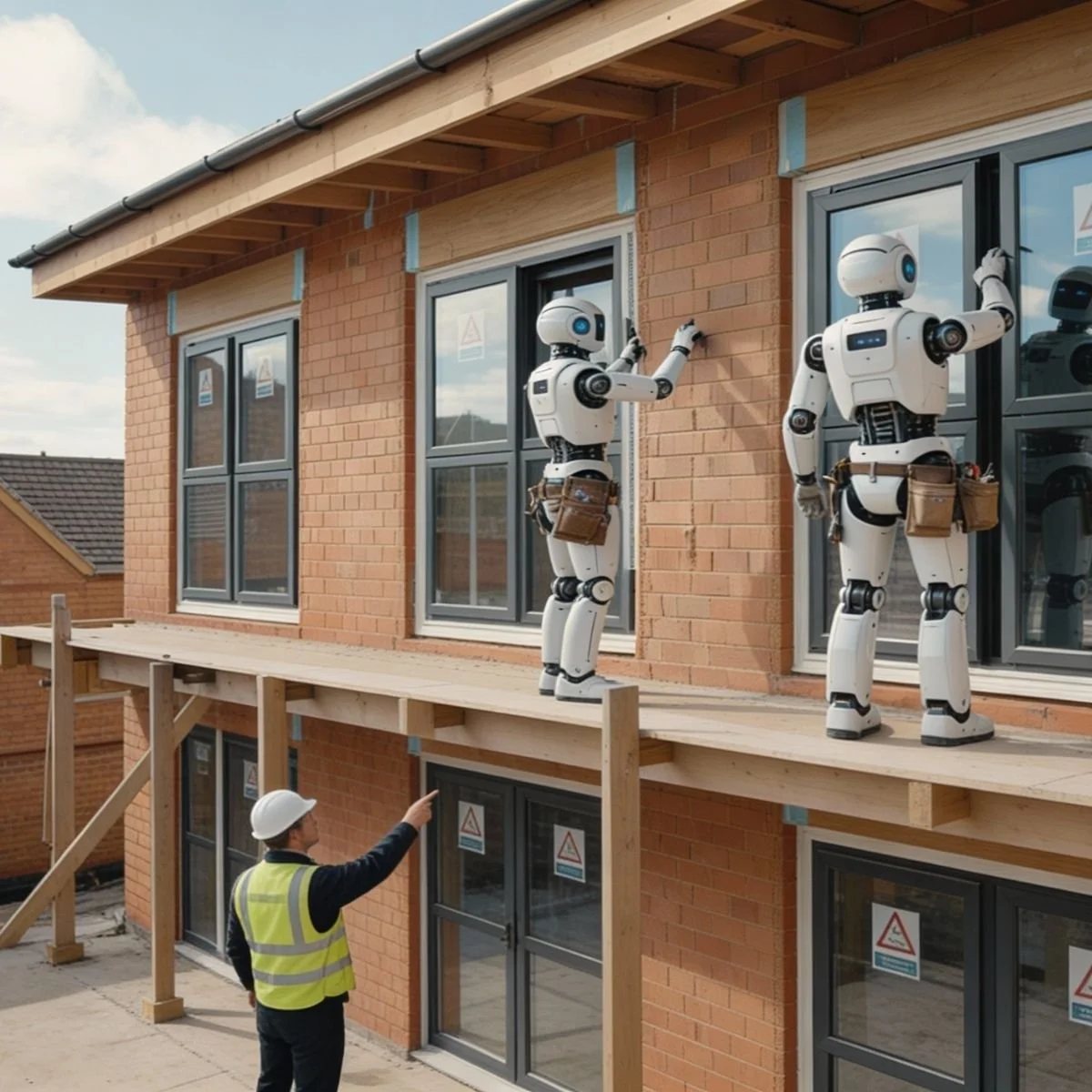
AI agents could streamline project management, coordinate schedules and deliveries, while AI copilots can optimise home designs. Hyper-automation may handle repetitive tasks like permits, cost estimates, and compliance, reducing planning time and minimising the need for human intervention.
Staying Ahead of the Trend with Spaciable
Spaciable’s automated communications, issue triage, and chatbot-assisted maintenance reduce manual admin, resolving resident issues faster with less human effort, reflecting the trend toward AI-powered automation and intelligent agents handling routine tasks efficiently.
2. Next‑Gen Infrastructure and Computing
Modern technology is evolving rapidly, and 2026 will see major advances in the infrastructure that powers our digital world.
AI Supercomputing Platforms
‘These systems combine powerful processors, massive memory, specialised hardware, and orchestration software to tackle data-intensive workloads in areas like machine learning, simulation, and analytics,’ explains Gartner, a global research and advisory company. And this is a trend that’s only set to grow, as ‘By 2028, Gartner predicts that over 40% of leading enterprises will have adopted hybrid computing paradigm architectures into critical business workflows, up from the current 8%.’
Hybrid IT and Cloud Strategies
Hybrid IT and cloud strategies combine public cloud, private servers, and edge computing to balance cost, performance, and compliance while keeping operations efficient and secure. ‘In 2026, hybrid IT strategies that blend public cloud with private or on‑premises server infrastructure will become the default architecture for enterprises seeking predictability and control,’ reports server hosting provider, HostNoc.
Edge computing
Edge computing, where AI and data is processed locally rather than on distant servers, reduces delays and enables real-time decision-making. ‘Edge computing will become mainstream, enabling real-time, immersive experiences while 6G research begins maturing toward practical rollout,’ predicts HostNoc.
Why Next-Gen Infrastructure and Computing Matters for Homebuilders
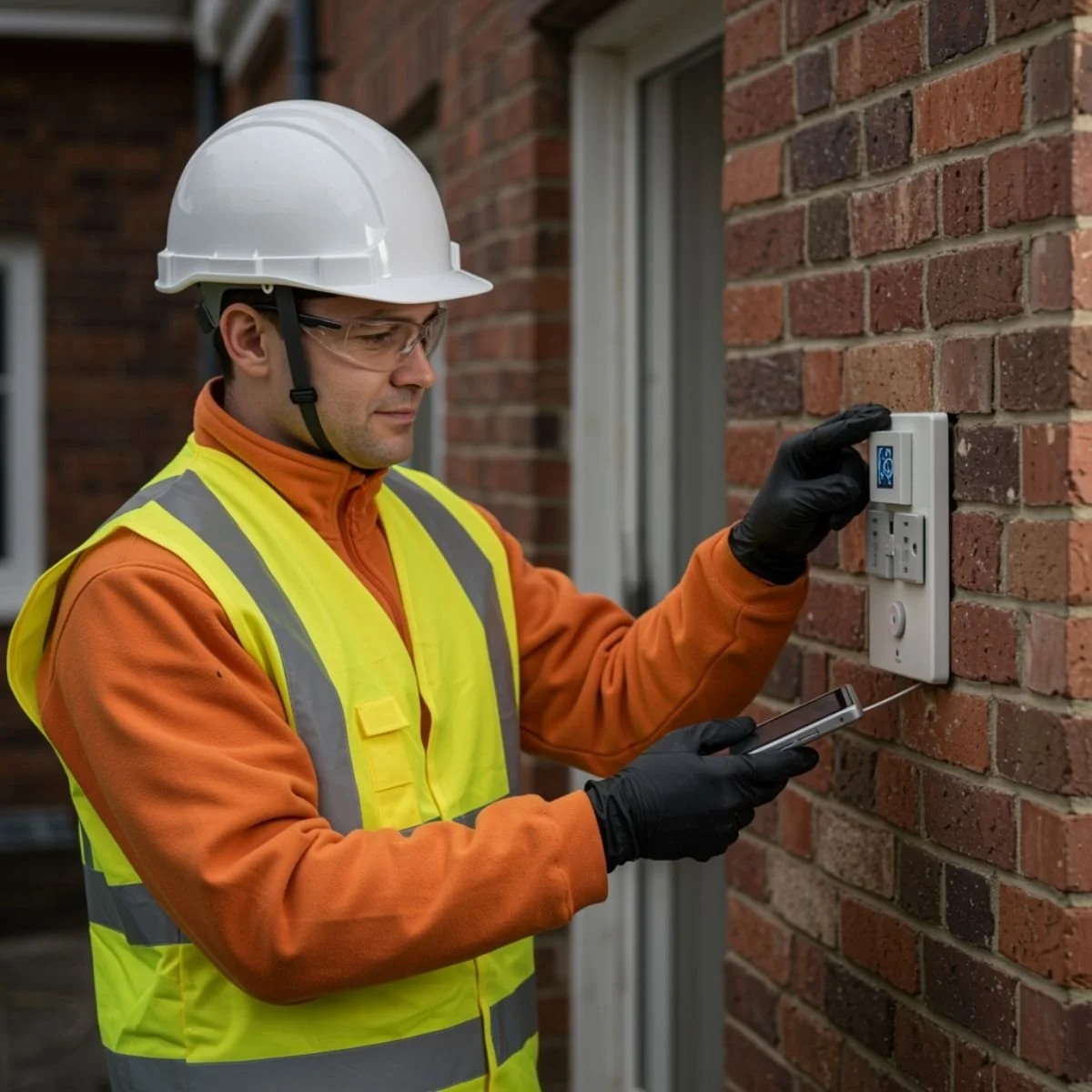
Next‑gen infrastructure and computing will replace one-size-fits-all cloud models with flexible, distributed systems. Hybrid and edge computing enable faster on-site data processing, real-time insights, and monitoring, while cloud platforms connect architects, engineers, and contractors seamlessly, improving efficiency, project quality, and resident satisfaction.
Staying Ahead of the Trend with Spaciable
Spaciable centralises the entire homeowner journey and property data in one secure platform, reducing duplication and enabling real‑time updates across teams from sales through aftercare. This aligns with hybrid and cloud strategies, helping builders integrate CRM, resident data, documents and workflows in a seamless, scalable digital environment.
3. Digital Twins – Virtual Replicas of Homes and Developments
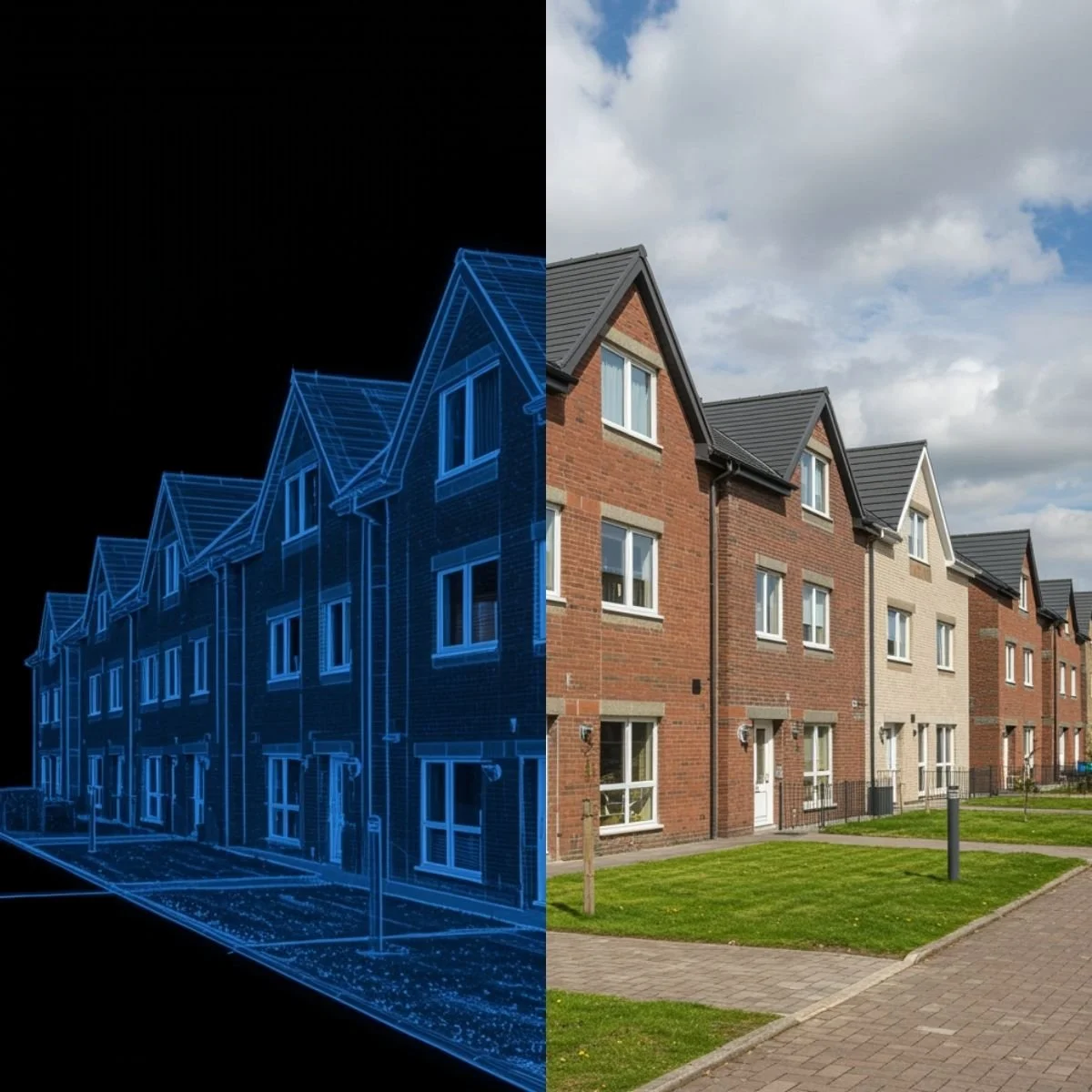
Digital twins are real-time virtual models of physical buildings or entire developments. They combine architectural plans, sensor data, and operational metrics to create a fully interactive digital representation. This allows builders and developers to simulate designs, monitor construction progress, and test operational performance before and after a home is built.
Why Digital Twins Matter for Homebuilders
Digital twins are becoming essential for UK homebuilders, helping ensure regulatory compliance while optimising designs, reducing errors, and monitoring energy efficiency. They enhance resident experiences with interactive home data, maintenance schedules, and warranties, and support long-term management by digitally storing critical building information for inspections and reporting.
Staying Ahead of the Trend with Spaciable
Spaciable centralises property and resident data, providing the foundation for digital twin integration. With structured document storage, resident dashboards, and analytics tools, it supports simulations, maintenance planning, and performance tracking. Acting as a data backbone, Spaciable helps homebuilders adopt digital twins while boosting efficiency, compliance, and resident satisfaction.
4. Immersive and Interactive Experiences
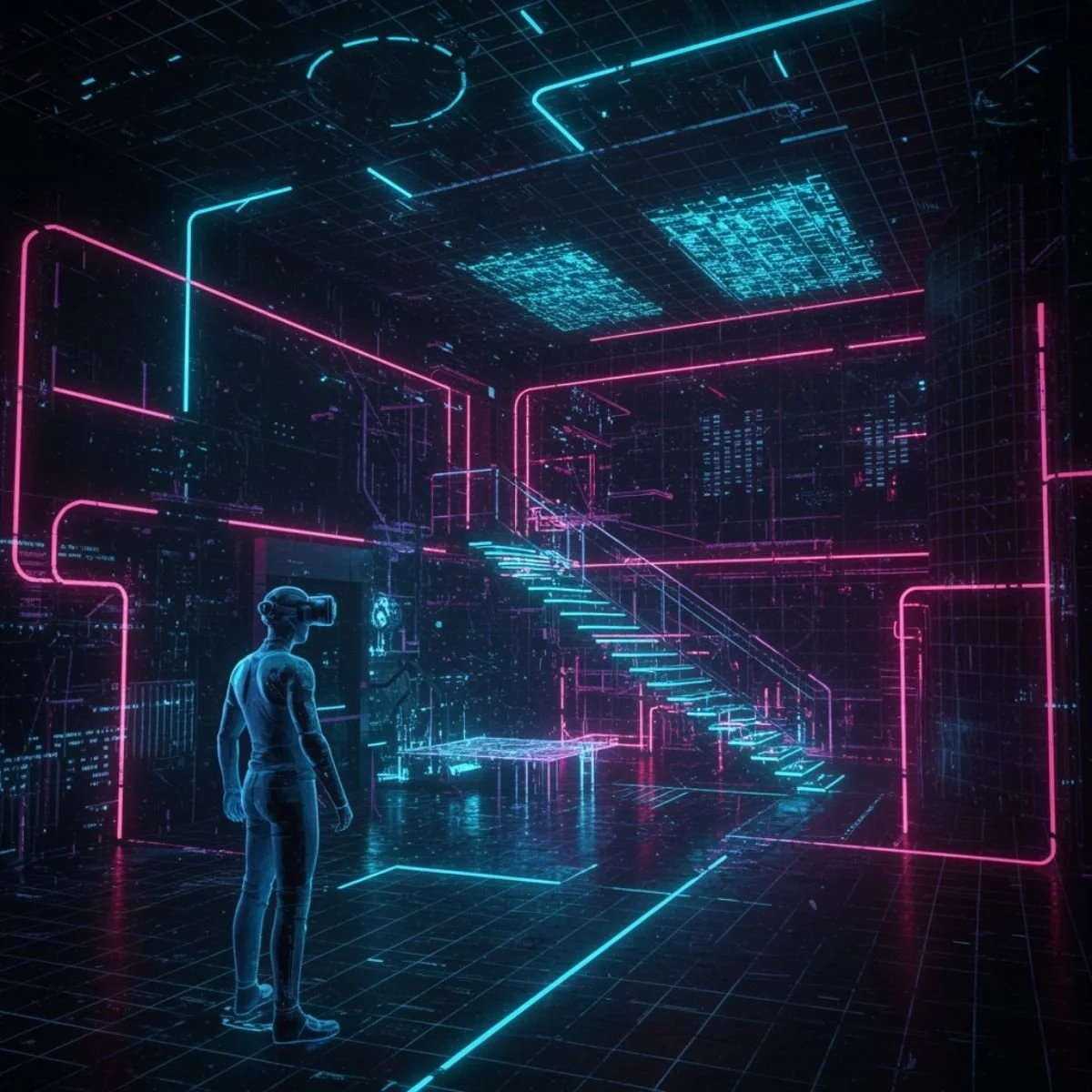
In 2026, augmented and virtual reality technologies will transform how homes are marketed, designed, and experienced.
Extended Reality (XR)
‘From virtual retail try-ons to remote training simulations, immersive applications will become common in education, healthcare and commerce by the end of 2026,’ predicts HostNoc. This is the year, therefore, that AR and VR will go mainstream for shopping, training, collaboration and entertainment.
Immersive commerce
Online shopping experiences will be enhanced by technologies like augmented reality (AR), virtual reality (VR), and 3D visualisation so customers can explore, interact with and customise products in a lifelike way before buying. ‘Unlike traditional e-commerce that relies on static images and text descriptions, immersive commerce creates interactive product experiences that answer customer questions through direct manipulation rather than support queries,’ explains immersive experience studio, Reality Matters.
Why Immersive and Interactive Experiences Matter for Homebuilders
AR and VR allow potential homebuyers to walk through homes before construction starts, making design choices easier and reducing costly changes. Immersive digital twins of buildings could allow builders to simulate energy use, lighting, or layout optimisations. XR tools could also train new staff from the safety of a virtual construction environment.
Staying Ahead of the Trend with Spaciable
Spaciable can integrate virtual home tours, 3D fly‑throughs and immersive visualisations, allowing potential buyers to explore homes long before construction completes. This directly supports immersive digital experiences, helping you sell and market developments more effectively and give buyers a richer pre‑sales experience.
5. Security and Trust Become Strategic
As technology becomes increasingly central to our work and lives, security and trust are more important than ever.
Pre-Emptive Cybersecurity
The use of AI to detect and block cybersecurity threats before they strike will become mainstream. ‘Pre-emptive cybersecurity is trending as organisations face an exponential rise in threats targeting networks, data, and connected systems,’ reports Gartner.
Digital Provenance and Supply Chain Trust Signals
‘Digital provenance refers to the ability to verify the origin, ownership, and integrity of software, data, media, and processes,’ explains Gartner. As organisations rely more on third party software, AI generated content and open-source code, verifying software and data origin will be essential for secure digital ecosystems.
Zero‑Trust Models
Zero trust models are a security approach where no user, device, or system is trusted by default, and access is only granted after continuous verification to keep data and systems secure. As Forbes explains, ‘This enterprise trend is driven by both the proliferation of smart, connected IoT devices and the behavioural shift to remote and hybrid working.’
Why Security and Trust Becoming Strategic Matters for Homebuilders
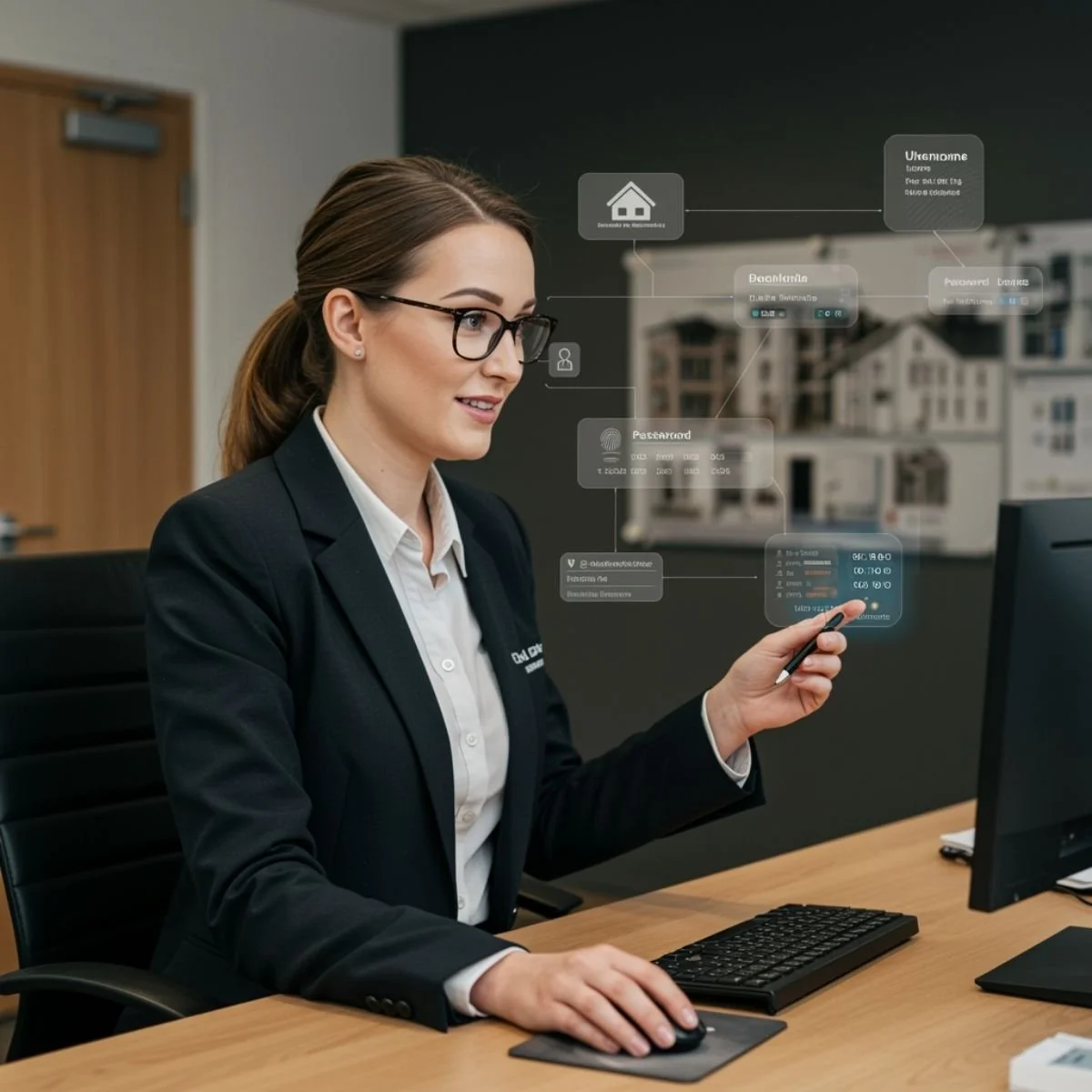
Digital trust models can protect sensitive client and project data, including designs, contracts, and financial information. Pre-emptive cybersecurity can safeguard smart home systems being installed or monitored remotely. Zero‑trust frameworks ensure only authorised personnel access digital blueprints and site controls.
Staying Ahead of the Trend with Spaciable
By providing secure, cloud‑based document storage for warranties, manuals, certificates and safety records, Spaciable strengthens transparency and compliance across the development lifecycle. This supports trust and data governance, helping builders demonstrate regulatory adherence and protect resident information.
6. Data and Governance Take Centre Stage
With more data being generated than ever before, 2026 will be about making sense of it. Companies will focus on robust data governance, real-time analytics, and actionable insights to improve decision-making, optimise performance, and comply with evolving regulations.
Data Governance
As IT management services company Sota explains, ‘With data pouring in from IoT, SaaS, and AI systems, the challenge isn’t collecting it, it’s connecting it.’ Data governance is the process of managing how data is collected, stored, accessed, and used to ensure it is accurate, secure, and compliant with regulations.
Video SEO and Rich Media Indexing
Soon, videos and interactive content will be optimised so that search engines can understand, index, and surface them more easily in search results. This technology will transform how content is found and consumed online. Digital agency Clicky predicts that in 2026, ‘We will see marketers optimising individual chapters, transcripts and visual cues within a video to appear in answer-based search results.’

Why Data and Governance Matter for Homebuilders
Smart homes and construction sites generate enormous data from energy use to material performance. Proper data governance ensures this information is actionable, helping builders optimise efficiency, reduce waste, and create homes that meet sustainability standards. Analytics can help predict maintenance needs or identify design flaws early.
Staying Ahead of the Trend with Spaciable
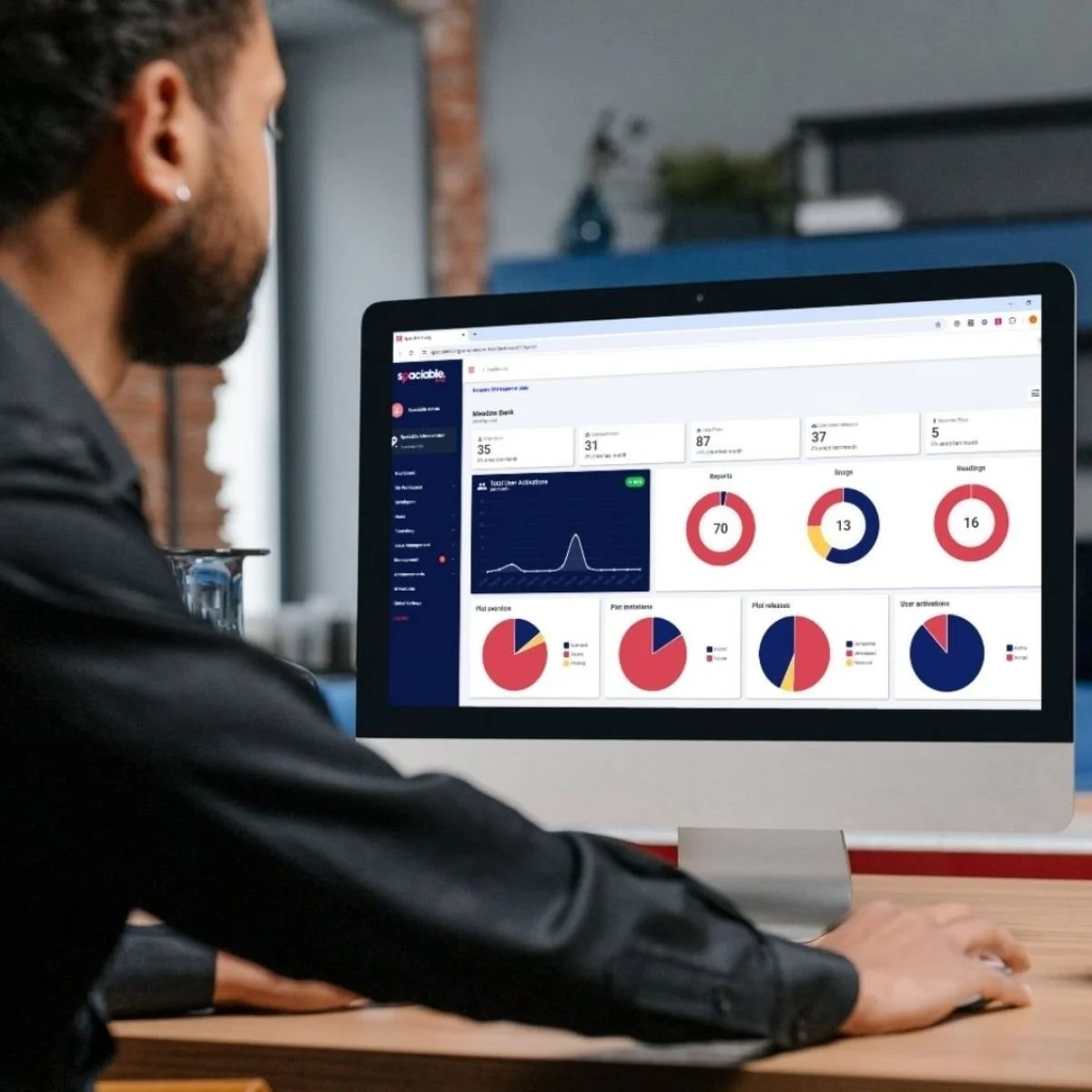
Spaciable’s analytics dashboards give builders live insight into resident engagement, issue response times, build progress and portal adoption. This supports better decision-making with real data and helps homebuilders track engagement and operational performance more effectively over time.
7. Marketing, Content and Digital Strategy
In 2026, marketing, content and digital strategy will focus on delivering more personalised, data-driven and timely experiences that engage audiences across every digital touchpoint.
Carbon‑Aware Digital Marketing
As Clicky explains, ‘Digital advertising has a significant carbon footprint, and 2026 will be the year the industry finally accounts for it.’ Carbon-aware digital marketing is the practice of reducing the environmental impact of digital campaigns by considering energy use, data efficiency, and carbon emissions when creating and delivering online content.
Hyper‑Personalisation
AI will power predictive targeting and real‑time content optimisation. ‘We expect to see brands running thousands of creative variations, where the background imagery, cultural references and even the language on shop signs in the ad are adapted automatically to match the viewer’s location,’ predicts Clicky.
Why Marketing, Content and Digital Strategy Matter for Homebuilders
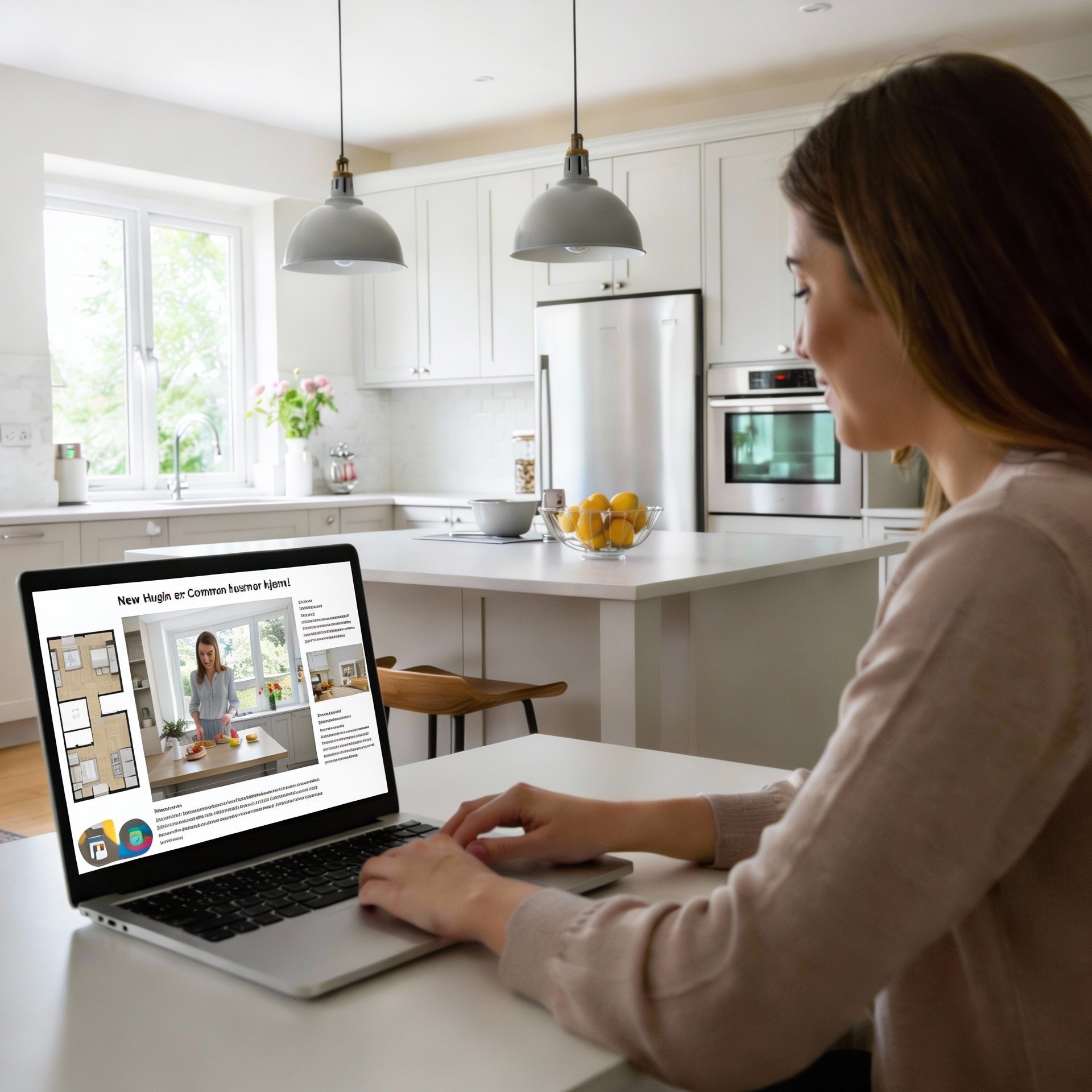
AI-powered marketing could personalise home designs for prospective buyers, showing them layouts or finishes that match their lifestyle. Virtual home tours with interactive features can drive engagement and shorten the sales cycle. Builders can use predictive analytics to target communities more effectively or anticipate housing trends.
Staying Ahead of the Trend with Spaciable
Spaciable’s personalised, branded experience, that starts at pre‑sales and continues through aftercare, enhances customer engagement and strengthens your brand. Features like Push Notifications, Local Area Guides, and built‑in communication tools help you communicate timely content and keep buyers engaged throughout the sales journey.
8. Skills, Governance and Ethical Tech
2026 will see a focus on equipping teams with the right expertise to establish responsible oversight, and ensure technology is used safely, fairly, and transparently.
Ethical AI Governance and Regulation
As AI grows in influence, ethical AI governance and regulation will become critical. So much so that Tech Digital Minds predicts that, ‘The evolving landscape will create demand for professionals adept in ethical AI practices, making AI governance one of the fastest-growing sectors, with a projected market of USD 1.4 billion by 2030.’
Digital Upskilling
AI literacy and collaboration will be a strategic priority for organisations, with more and more companies relying on these tools for their core processes.
Why Skills, Governance and Ethical Tech Matter for Homebuilders
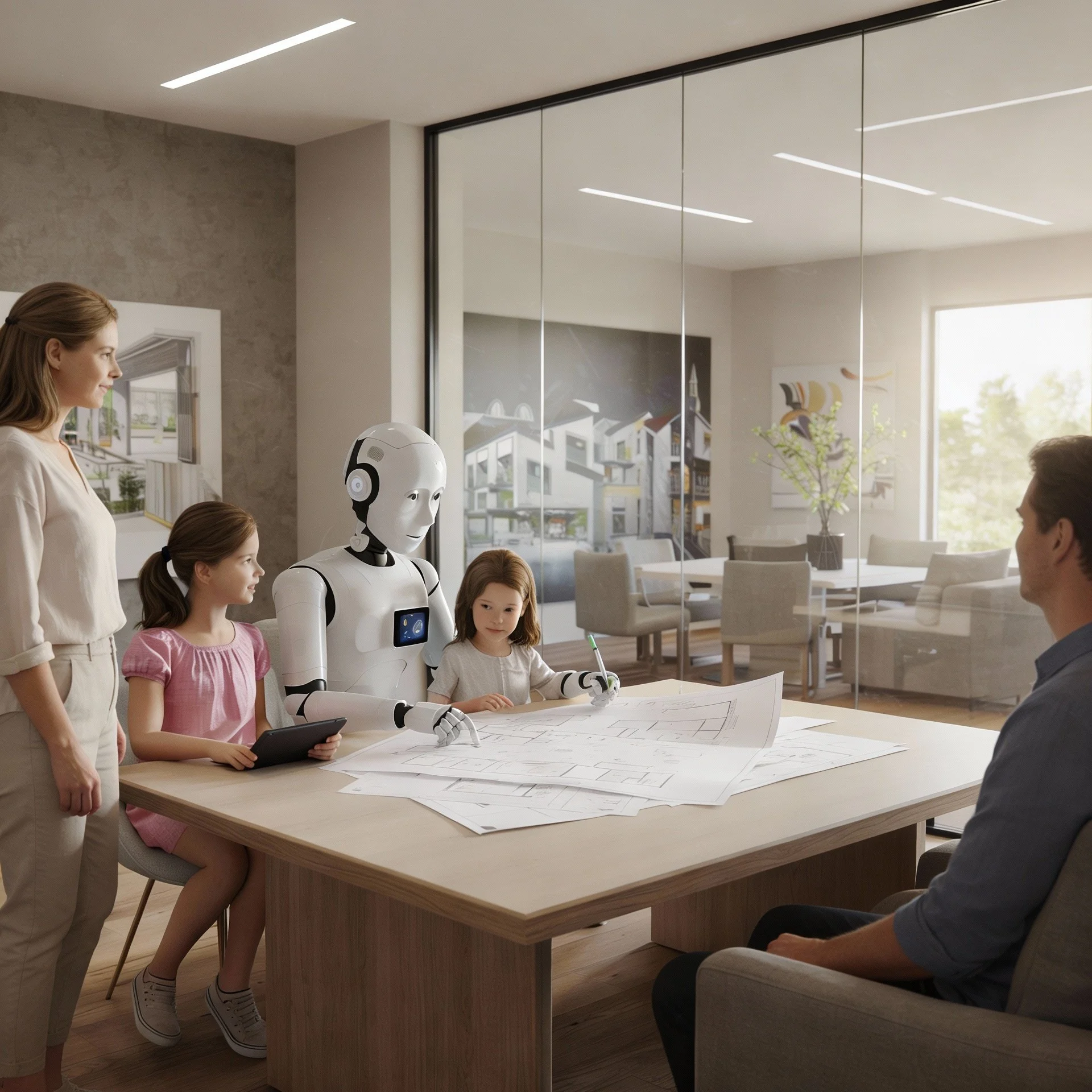
Upskilling construction teams to use AI tools, drones, and XR applications will result in a higher level of efficiency and safety. Ethical AI governance helps ensure algorithms used for design or project bidding remain fair and unbiased. Builders adopting sustainable digital solutions will demonstrate social responsibility and therefore appeal to eco-conscious buyers.
Staying Ahead of the Trend with Spaciable
Spaciable’s focus on clear resident education, comprehensive digital handovers, and accessible help content (like How To guides and multi‑language support) helps residents understand and manage their home responsibly. This supports ethical engagement by empowering homeowners and fostering inclusive communities, which aligns with emerging expectations around digital literacy and user‑centric tech.
Finally, Spaciable’s tools and features exemplify many of the key digital trends of 2026 by bringing automation, immersive experiences, centralised data, connectivity and resident empowerment into a single platform. If you’d like to find out more about staying ahead of the curve with Spaciable, please get in touch to arrange a 10-minute call with our Head of Partnerships.
Quick Snapshot:
Top 2026 Digital Trends
AI Agents and Automation
Hybrid Computing and Edge AI
Digital Twins – Virtual Replicas of Homes and Developments
Immersive Digital Experiences
Security and Digital Trust
Data Governance and Analytics
AI‑Powered Marketing and Content
Ethical AI and Upskilling